Dry Eye specialist in Andheri, Mumbai


​Dry eye syndrome is a common condition where your eyes don’t produce enough quality tears or the tears evaporate too quickly. This leads to the surface of the eye not being properly lubricated, causing discomfort and vision problems.

Types of Dry Eye

​Dry eye is generally categorized into two main types:

  1. Aqueous Deficient Dry Eye (ADDE):
    • ​Occurs when the lacrimal glands (tear glands) don’t produce enough of the watery component of tears.
    • ​This is often associated with aging, certain medical conditions (like Sjögren’s syndrome), or medications.
  2. Evaporative Dry Eye (EDE):
    • ​The most common type.
    • ​Occurs when the tears evaporate too quickly, usually due to a problem with the lipid (oil) layer of the tear film.
    • ​This is typically caused by Meibomian Gland Dysfunction (MGD), where the oil glands in the eyelids are blocked or not working properly.

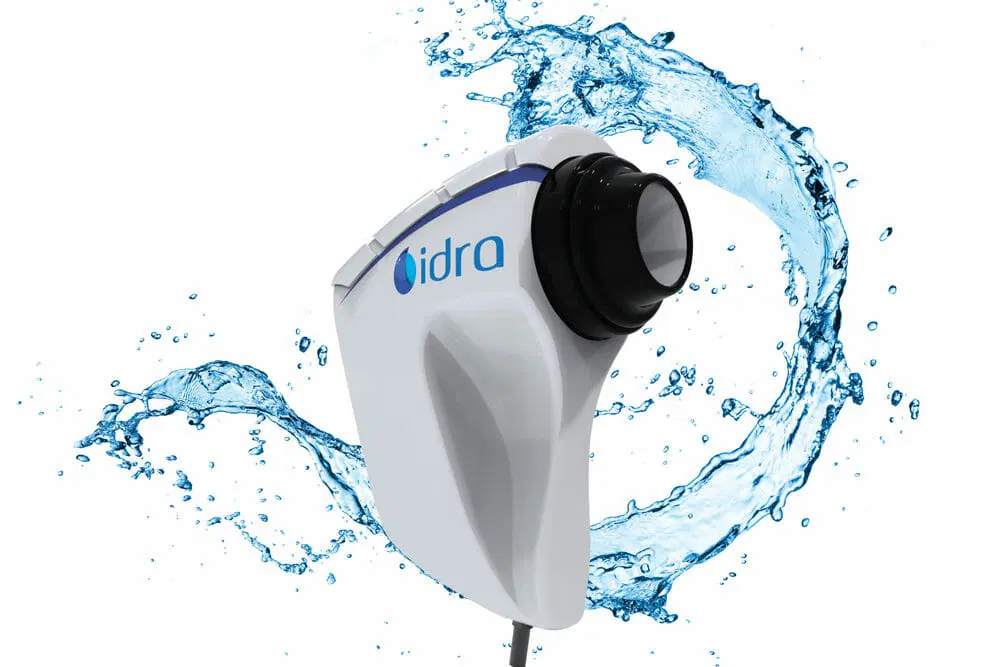
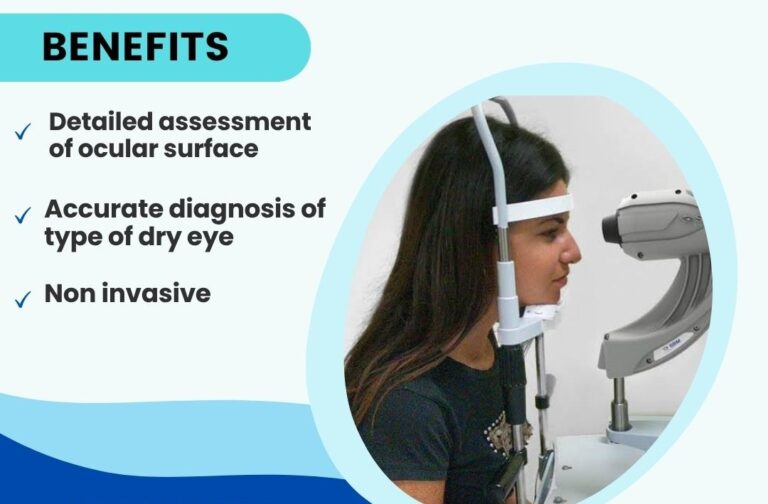
Dry Eye Analyser at Tandon Eye Hospital

Dry Eye Treatments

At Tandon Eye Hospital, we offer advanced, personalized treatments to relieve dry eye symptoms and improve long-term tear film stability. Based on your evaluation, your specialist may recommend one or a combination of the following options:

1. Lubricating Eye Drops (Artificial Tears)

  • First-line treatment to relieve burning, grittiness, and irritation.
  • Preservative-free drops are preferred for frequent use.
  • Gel and ointment formulations provide longer relief, especially at night.

2. LLLT – Low-Level Light Therapy

  • A non-invasive treatment that uses gentle LED-based light.
  • Helps stimulate the Meibomian glands to improve oil secretion in the tear film.
  • .Effective for Meibomian Gland Dysfunction (MGD) and evaporative dry eye.
  • Quick, painless, and performed in multiple short sessions.
 

3. IPL – Intense Pulsed Light Therapy

  • Uses controlled light pulses on the skin around the eyelids.
  • Reduces inflammation, unclogs Meibomian glands, and improves tear quality.
  • Especially helpful for patients with rosacea-related dry eye or chronic MGD.
  • Often combined with gland expression for optimal results

4. Punctal Plugs

  • Tiny biocompatible plugs inserted into the tear ducts to reduce tear drainage.
  • Helps retain natural tears on the eye surface for longer.
  • Useful for patients with moderate to severe dryness or autoimmune-related dry eye.
  • Reversible and performed as an outpatient procedure.

Comprehensive Care

Dry eye disease is multifactorial, and treatment is tailored to your specific cause—whether evaporative, aqueous-deficient, or mixed type. Our specialists ensure a step-wise and effective management plan to give you lasting relief.