Glaucoma is often called the “silent thief of sight” because it usually develops slowly and without obvious symptoms in the early stages. Many people do not realise they have glaucoma until noticeable vision loss has already occurred. By then, the damage cannot be reversed.
Glaucoma is a group of eye conditions that damage the optic nerve — the nerve responsible for sending visual information from the eye to the brain. This damage is commonly linked to increased pressure inside the eye, though it can also occur even with normal eye pressure.
Early detection is key. With timely treatment, vision loss from glaucoma can often be slowed or controlled.
What Causes Glaucoma?
Inside the eye, a clear fluid called aqueous humor is continuously produced and drained. If this fluid does not drain properly, it can build up and increase intraocular pressure (IOP). Over time, high pressure can damage the optic nerve.
There are different types of glaucoma, but the most common is primary open-angle glaucoma. It develops gradually and usually without pain.
Another type, angle-closure glaucoma, is less common but can occur suddenly and requires immediate medical attention.
Why Is It Called “Silent”?
In its early stages, open-angle glaucoma does not cause noticeable symptoms. Central vision often remains normal, while side (peripheral) vision slowly reduces. Because this happens gradually, people may not detect any change.
Vision loss from glaucoma is permanent. However, early diagnosis allows doctors to prevent or slow further damage.
Risk Factors for Glaucoma
Anyone can develop glaucoma, but certain factors increase the risk:
- Age above 40 years
- Family history of glaucoma
- High eye pressure
- Diabetes
- High blood pressure
- Long-term use of steroid medications
- Thin cornea
People with these risk factors should have regular comprehensive eye examinations.
Symptoms to Watch For
In most cases of open-angle glaucoma, there are no early warning signs. As the disease progresses, symptoms may include:
- Gradual loss of peripheral vision
- Tunnel vision in advanced stages
In sudden angle-closure glaucoma, symptoms may include:
- Severe eye pain
- Headache
- Blurred vision
- Halos around lights
- Nausea or vomiting
This is a medical emergency and requires immediate treatment.
How Is Glaucoma Diagnosed?
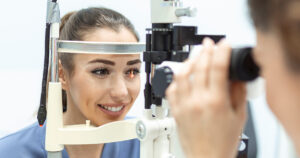
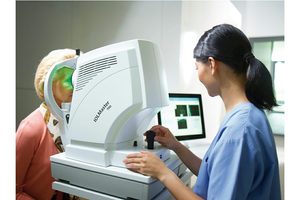
Glaucoma is diagnosed through a complete eye examination. At Tandon Eye Hospital, evaluation may include:
- Measurement of eye pressure
- Examination of the optic nerve
- Visual field testing
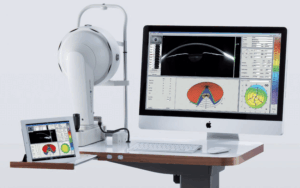
- Optical Coherence Tomography (OCT)
These tests help detect early nerve damage even before symptoms appear.
Treatment Options for Glaucoma
While glaucoma damage cannot be reversed, treatment aims to lower eye pressure and prevent further loss of vision.
Medicated Eye Drops
Eye drops are often the first line of treatment. They reduce eye pressure either by decreasing fluid production or improving drainage.
Laser Treatment
Laser procedures can help improve fluid drainage in certain types of glaucoma.
Surgery
If medications and laser treatment are not enough, surgical procedures may be recommended to control eye pressure.
Treatment is usually lifelong, and regular follow-up is essential.
Why Regular Eye Check-Ups Matter
Since glaucoma often develops without symptoms, routine eye exams are the only reliable way to detect it early. Adults over 40, especially those with risk factors, should not skip regular screenings.
Glaucoma Care at Tandon Eye Hospital
Tandon Eye Hospital provides comprehensive glaucoma screening and management using modern diagnostic tools. Each patient receives an individualised treatment plan and long-term monitoring to help preserve vision.
Final Thoughts
Glaucoma may not cause pain or early warning signs, but its impact on vision can be serious if ignored. Early detection and consistent treatment are the best ways to protect eyesight.
If you are above 40 or have a family history of glaucoma, scheduling a routine eye examination is a simple but important step toward safeguarding your vision.