Lazy eye, medically known as amblyopia, is a common childhood eye condition. It happens when one eye does not develop normal vision, even though there may not be any obvious structural problem with the eye itself. Over time, the brain starts relying more on the stronger eye and ignores signals from the weaker one.
If not treated early, amblyopia can lead to permanent vision reduction in the affected eye. The encouraging part is that when diagnosed in time, treatment is often effective.
What Causes Lazy Eyes?
Amblyopia usually develops during infancy or early childhood, when the visual system is still developing. It occurs when the brain and one eye are not working together properly.
The most common causes include:
1. Strabismus (Squint)
When the eyes are not aligned properly, the brain may ignore input from one eye to avoid double vision. Over time, this can weaken vision in that eye.
2. Refractive Errors
If one eye has a significantly higher power than the other (for example, one eye is more nearsighted or farsighted), the brain may depend on the clearer eye and neglect the other.
3. Visual Obstruction
Conditions such as congenital cataract or drooping eyelid (ptosis) can block light from entering the eye, preventing normal visual development.
Symptoms of Lazy Eye
Amblyopia often does not cause pain or redness, so it may go unnoticed. Young children may not complain because they are unaware of the difference.
Parents should look out for signs such as:
- One eye turning inward or outward
- Frequent squinting
- Head tilting
- Poor depth perception
- Difficulty reading or focusing
- Closing one eye in bright light
Sometimes, a lazy eye is detected only during a routine eye check-up.
Why Early Detection Is Important
Vision develops rapidly during the first few years of life. If amblyopia is not treated during this critical period, the weaker eye may not develop normal vision.
Treatment is generally more successful when started before the age of 7 to 8 years. However, even older children can benefit from evaluation and management.
How Is Lazy Eye Diagnosed?
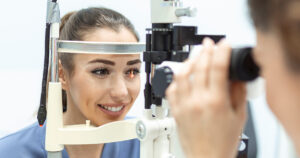
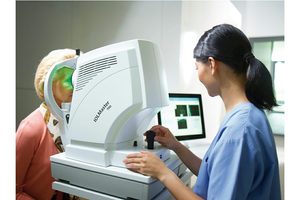
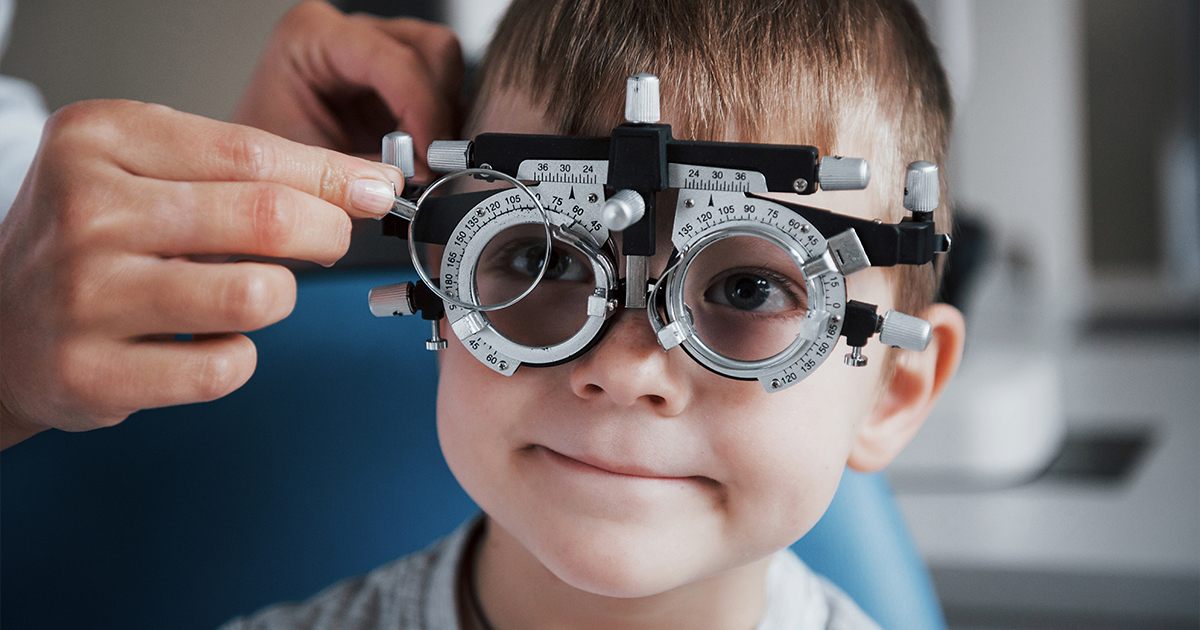
Diagnosis involves a comprehensive eye examination. At Tandon Eye Hospital, pediatric eye assessments may include:
- Vision testing appropriate for the child’s age
- Eye alignment evaluation
- Refraction test to check for glasses power
- Examination of eye health
Regular eye screening is recommended, even if there are no visible symptoms.
Treatment Options for Lazy Eye
Treatment focuses on improving vision in the weaker eye and ensuring both eyes work together.
1. Corrective Glasses
If refractive error is the cause, glasses may significantly improve vision in the weaker eye.
2. Eye Patching
Patching the stronger eye encourages the brain to use the weaker eye. This helps strengthen vision over time.
3. Atropine Eye Drops
In some cases, medicated drops are used in the stronger eye to temporarily blur vision, encouraging use of the weaker eye.
4. Surgery
If strabismus or eyelid problems are present, surgery may be recommended. However, surgery corrects alignment but does not directly treat amblyopia – additional therapy is usually required.
Treatment duration varies and requires regular follow-ups.
Role of Parents in Treatment
Consistency is important. Children may resist wearing patches or glasses, but following the prescribed treatment plan plays a major role in improving outcomes.
Regular follow-up visits help monitor progress and adjust treatment when needed.
Pediatric Eye Care at Tandon Eye Hospital
At Tandon Eye Hospital, children’s eye conditions are evaluated with care and patience. The focus is on early detection, accurate diagnosis, and age-appropriate treatment plans designed to support proper visual development.
Final Thoughts
Lazy eyes are common, but they should not be ignored. With early diagnosis and proper treatment, many children can achieve good vision. Routine eye examinations during childhood are one of the simplest ways to protect long-term eye health.
If you notice any unusual eye movements or vision-related concerns in your child, an eye check-up can provide clarity and reassurance.