
The cornea is the clear, dome-shaped front layer of the eye. It helps focus light onto the retina, allowing us to see clearly. When the cornea becomes damaged, swollen, scarred, or irregular in shape, vision can become blurred or distorted. In some cases, when medications, glasses, or minor procedures are no longer helpful, a corneal transplant may be recommended.
A corneal transplant, also called keratoplasty, is a surgical procedure in which damaged corneal tissue is replaced with healthy donor tissue. The aim is to restore clarity and improve vision where possible.
When Is a Corneal Transplant Needed?
Not every corneal condition requires a transplant. Doctors usually consider this surgery only when other treatments are not effective.
Common conditions that may require a corneal transplant include:
- Keratoconus, where the cornea becomes thin and cone-shaped
- Corneal scarring from infection or injury
- Fuchs’ endothelial dystrophy
- Severe corneal ulcers
- Corneal swelling after previous eye surgery
- Corneal damage due to trauma
In the early stages of some of these conditions, glasses or contact lenses may provide adequate vision. Surgery is considered when vision becomes significantly affected and daily activities become difficult.
Types of Corneal Transplant Surgery
Modern corneal surgery has advanced significantly. Earlier, the entire cornea was replaced in most cases. Today, surgeons often replace only the affected layers, which can lead to better healing and fewer complications.
Full-Thickness Transplant (Penetrating Keratoplasty)
In this procedure, the entire cornea is replaced. It is usually recommended when multiple layers of the cornea are damaged.
Partial-Thickness Transplant (Lamellar Keratoplasty)
Only the diseased layer of the cornea is replaced, while healthy layers are preserved. This approach may reduce recovery time and lower the risk of rejection.
The choice of procedure depends on the specific condition and overall eye health.
What Happens During the Surgery?
Corneal transplant surgery is usually performed under local anaesthesia, sometimes with mild sedation. In some cases, general anaesthesia may be used.
During the procedure:
- The damaged portion of the cornea is carefully removed.
- Healthy donor corneal tissue is placed in position.
- Very fine stitches are used to secure the graft.
The surgery typically takes one to two hours. Most patients can go home the same day.
Recovery and Healing
Recovery after corneal transplant requires patience. Vision does not improve immediately. It may take several weeks or even months for vision to stabilise.
Patients are usually prescribed:
- Antibiotic eye drops
- Steroid eye drops to reduce inflammation
- Regular follow-up visits
Stitches may remain in place for several months and are removed gradually based on healing. It is important to avoid rubbing the eye and to follow all post-operative instructions carefully.
Possible Risks and Considerations
Like any surgery, corneal transplant carries some risks. These may include:
- Graft rejection
- Infection
- Increased eye pressure
- Swelling
However, with proper monitoring and timely treatment, many complications can be managed effectively. Early reporting of symptoms such as redness, pain, or sudden vision decrease is important.
What Results Can Be Expected?
The goal of corneal transplant surgery is to improve corneal clarity and restore useful vision. Outcomes depend on several factors, including:
- The original cause of corneal damage
- Overall eye health
- Presence of other eye conditions
- Patient compliance with follow-up care
Many patients experience significant improvement in vision, although glasses or contact lenses may still be needed after surgery.
Corneal Care at Tandon Eye Hospital
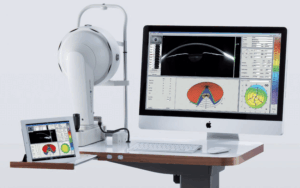
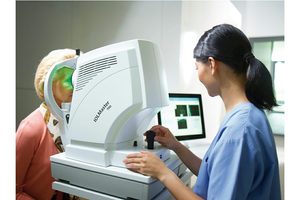
At Tandon Eye Hospital, patients undergo a detailed evaluation before surgery is recommended. Advanced diagnostic tools help determine the exact cause of corneal damage and the most suitable type of transplant.
The focus is on:
- Careful patient selection
- Safe surgical techniques
- Close post-operative monitoring
- Realistic counselling about outcomes
Conclusion
Corneal transplant surgery is considered when the cornea can no longer function properly and vision is affected. While it is a major procedure, modern techniques have made it safer and more precise.
If you are experiencing persistent blurred vision due to corneal problems, a consultation with an eye specialist can help determine whether medical treatment or surgical intervention is the right next step.