Glaucoma is one of the leading causes of permanent vision loss across the world. What makes this condition particularly concerning is that it often develops without noticeable symptoms in its early stages. By the time vision changes become apparent, significant damage to the optic nerve may have already occurred.
The good news is that early diagnosis and timely treatment can help slow the progression of glaucoma and preserve vision. Understanding how glaucoma is diagnosed and treated can encourage timely eye examinations, especially for those at higher risk.
Why Early Diagnosis Is Important
Glaucoma damages the optic nerve, which carries visual information from the eye to the brain. In many cases, this damage is linked to increased intraocular pressure (IOP), although glaucoma can also occur in people with normal eye pressure.
Since vision loss caused by glaucoma cannot be reversed, detecting the condition before symptoms appear is essential. Regular comprehensive eye examinations remain the most effective way to identify glaucoma in its early stages.
How Is Glaucoma Diagnosed?
Diagnosing glaucoma involves a series of specialised eye examinations rather than a single test. Each test provides valuable information about the health of the eye and helps determine whether glaucoma is present.
Eye Pressure Measurement (Tonometry)
One of the first tests performed is measuring the pressure inside the eye. Elevated eye pressure is a major risk factor for glaucoma, although not everyone with high eye pressure develops the condition.
Optic Nerve Examination
The ophthalmologist carefully examines the optic nerve for signs of damage. Changes in the appearance of the optic nerve can indicate glaucoma, even before vision is affected.
Visual Field Test
This test evaluates peripheral (side) vision. Since glaucoma often affects side vision first, a visual field test helps detect vision loss that patients may not notice in everyday life.
Optical Coherence Tomography (OCT)
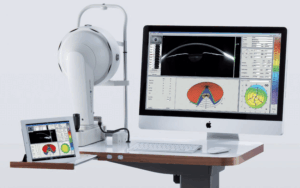
OCT is an advanced imaging test that captures detailed images of the optic nerve and retinal nerve fibre layer. It helps detect early damage and allows doctors to monitor any progression over time.
Corneal Thickness Measurement
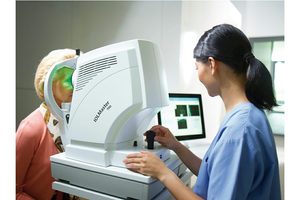
The thickness of the cornea can influence eye pressure readings. Measuring corneal thickness helps doctors interpret test results more accurately and assess the overall risk of glaucoma.
Together, these tests provide a comprehensive assessment, enabling doctors to diagnose glaucoma accurately and plan appropriate treatment.
How Is Glaucoma Treated?
Although glaucoma cannot be cured, treatment focuses on lowering eye pressure and preventing further damage to the optic nerve.
Eye Drops
Prescription eye drops are usually the first line of treatment. They work by either reducing the production of fluid inside the eye or improving its drainage, helping to lower eye pressure.
Oral Medications
If eye drops alone are not enough, oral medications may be prescribed to further reduce eye pressure. These are typically used in specific situations or alongside other treatments.
Laser Treatment
Laser procedures can improve the drainage of fluid from the eye, helping lower intraocular pressure. These treatments are minimally invasive and are often performed as outpatient procedures.
Glaucoma Surgery
When medications and laser treatment do not adequately control glaucoma, surgery may be recommended. Surgical procedures create new drainage pathways or use specialised implants to maintain healthy eye pressure over the long term.
Why Follow-Up Visits Matter
Glaucoma requires lifelong management. Even after treatment begins, regular follow-up appointments are essential to monitor eye pressure, assess the optic nerve, and ensure that treatment continues to be effective.
Skipping appointments can allow glaucoma to progress silently, increasing the risk of irreversible vision loss.
Glaucoma Care at Tandon Eye Hospital
At Tandon Eye Hospital, patients undergo comprehensive glaucoma evaluations using advanced diagnostic technology. Based on the findings, personalised treatment plans are designed to help manage eye pressure and protect long-term vision.
Our specialists also emphasise regular monitoring to ensure the treatment remains effective and any changes are addressed promptly.
Final Thoughts
Glaucoma often develops without warning, making regular eye examinations essential for early detection. While the condition cannot be cured, timely diagnosis and appropriate treatment can significantly reduce the risk of vision loss.
If you are over 40, have a family history of glaucoma, or have other risk factors, scheduling regular eye check-ups can make a lasting difference. Early diagnosis, consistent treatment, and routine follow-up are the best ways to protect your eyesight for the future.