
Retinal detachment is a serious eye condition that requires immediate medical attention. It occurs when the retina—a thin layer of tissue at the back of the eye—separates from its normal position. Since the retina is responsible for capturing light and sending visual signals to the brain, any delay in treatment can lead to permanent vision loss.
Recognising the warning signs early and seeking prompt treatment can significantly improve the chances of preserving vision.
What Is Retinal Detachment?
The retina plays a vital role in helping us see clearly. It converts light entering the eye into signals that are sent to the brain through the optic nerve.
When the retina detaches, it loses its supply of oxygen and nutrients, affecting its ability to function properly. Without timely treatment, the detached retina can lead to irreversible damage and vision loss.
Retinal detachment is considered a medical emergency and should never be ignored.
What Causes Retinal Detachment?
Several factors can increase the risk of retinal detachment.
Age-Related Changes
As we age, the gel-like substance inside the eye (vitreous) naturally shrinks and pulls away from the retina. In some cases, this can create a tear in the retina, allowing fluid to pass underneath and cause detachment.
Severe Nearsightedness (High Myopia)
People with high myopia have a greater risk because their retina tends to be thinner and more vulnerable to tears.
Eye Injury
A direct injury or trauma to the eye can damage the retina and increase the likelihood of retinal detachment.
Previous Eye Surgery
Individuals who have undergone procedures such as cataract surgery may have a slightly higher risk, particularly if other risk factors are present.
Family History and Other Eye Conditions
A family history of retinal detachment or certain retinal disorders may also increase the risk.
Warning Signs You Should Never Ignore
Retinal detachment is usually painless, but it often presents with sudden visual symptoms that require urgent evaluation.
Common warning signs include:
- A sudden increase in floaters (small dark spots or cobweb-like shapes drifting across your vision).
- Flashes of light, especially in peripheral vision.
- A shadow or curtain-like effect moving across part of your visual field.
- Sudden blurred or distorted vision.
- Loss of side (peripheral) vision.
If you experience any of these symptoms, seek immediate medical attention. Early treatment offers the best chance of saving your vision.
How Is Retinal Detachment Treated?
Treatment depends on the type, size, and location of the retinal detachment.
Laser Treatment or Cryotherapy
If a retinal tear is detected before the retina fully detaches, laser treatment or freezing therapy (cryotherapy) may be used to seal the tear and prevent detachment.
Retinal Surgery
When the retina has already detached, surgery is usually required. Depending on the condition, the ophthalmologist may recommend procedures such as vitrectomy, scleral buckle surgery, or pneumatic retinopexy to reposition and secure the retina.
Early surgical intervention generally leads to better visual outcomes.
Recovery After Treatment
Recovery varies depending on the severity of the detachment and the type of surgery performed.
Patients are usually advised to:
- Attend all follow-up appointments.
- Use prescribed eye drops and medications as directed.
- Avoid heavy lifting and strenuous activities during recovery.
- Follow any special head positioning instructions if advised by the surgeon.
- Report any new vision changes immediately.
While many patients regain useful vision after treatment, the final outcome often depends on how quickly treatment was received and whether the central retina (macula) was affected.
Retina Care at Tandon Eye Hospital
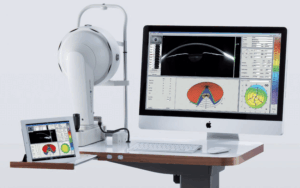
At Tandon Eye Hospital, retinal conditions are evaluated using advanced diagnostic technology to ensure accurate diagnosis and timely treatment. Our experienced ophthalmologists provide personalised care for retinal tears, retinal detachment, and other retinal disorders, helping patients receive prompt intervention to protect their vision.
Final Thoughts
Retinal detachment is an eye emergency that should never be ignored. Sudden flashes, floaters, blurred vision, or a curtain-like shadow across your vision may be early warning signs that require immediate attention.
If you notice any of these symptoms, seek medical care without delay. Early diagnosis and prompt treatment offer the best chance of preserving vision and preventing permanent sight loss.