
Diabetes affects millions of people worldwide, but many are unaware that it can also have a serious impact on eye health. High blood sugar levels can damage the tiny blood vessels in the eyes, increasing the risk of vision problems and even permanent vision loss if left untreated.
The good news is that most diabetes-related eye conditions can be managed effectively with early detection, proper diabetes control, and regular eye check-ups.
How Does Diabetes Affect the Eyes?
Over time, consistently high blood sugar can damage the small blood vessels that nourish the retina—the light-sensitive layer at the back of the eye. This can lead to a condition called diabetic retinopathy, one of the leading causes of vision loss among adults.
Diabetes also increases the risk of developing other eye conditions, including cataracts and glaucoma, often at an earlier age than people without diabetes.
Since these conditions may not cause noticeable symptoms in their early stages, routine eye examinations are essential for protecting your vision.
Common Eye Conditions Linked to Diabetes
Diabetic Retinopathy
Diabetic retinopathy occurs when high blood sugar damages the blood vessels in the retina. These vessels may leak fluid or bleed, affecting clear vision. In advanced stages, abnormal new blood vessels can develop, increasing the risk of severe vision loss.
Diabetic Macular Edema (DME)
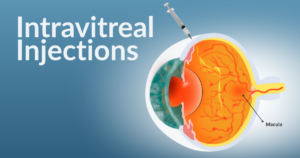
The macula is the central part of the retina responsible for sharp, detailed vision. Diabetes can cause fluid to accumulate in this area, leading to swelling known as diabetic macular edema. This can make reading, driving, and recognising faces more difficult.
Cataracts
People with diabetes are more likely to develop cataracts earlier in life. A cataract causes the eye’s natural lens to become cloudy, resulting in blurred or dull vision.
Glaucoma
Diabetes also increases the risk of glaucoma, a condition that damages the optic nerve and can lead to permanent vision loss if not diagnosed and treated early.
Warning Signs You Should Not Ignore
Although diabetic eye disease may not show symptoms initially, certain warning signs require prompt medical attention.
These include:
- Blurred or fluctuating vision.
- Floaters or dark spots in your field of vision.
- Difficulty seeing at night.
- Colours appearing faded.
- Sudden vision loss or dark areas in your vision.
Even if you experience no symptoms, regular comprehensive eye examinations remain essential.
What Can You Do to Protect Your Vision?
Keep Blood Sugar Under Control
Maintaining healthy blood sugar levels is one of the most effective ways to reduce the risk of diabetic eye disease. Following your doctor’s advice regarding medication, diet, and exercise can make a significant difference.
Manage Blood Pressure and Cholesterol
High blood pressure and cholesterol can worsen damage to the blood vessels in the eyes. Keeping these under control supports overall eye health.
Schedule Regular Eye Examinations
People with diabetes should undergo comprehensive dilated eye examinations at least once a year, or more frequently if recommended by their ophthalmologist. These check-ups help detect changes before vision is affected.
Follow Your Treatment Plan
If diabetic eye disease is diagnosed, timely treatment is important. Depending on the condition, treatment may include medications, laser therapy, or specialised retinal procedures to prevent further vision loss.
Diabetic Eye Care at Tandon Eye Hospital
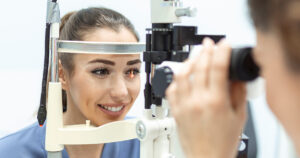
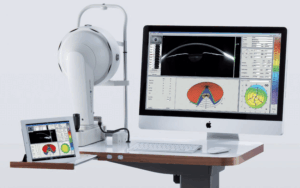
At Tandon Eye Hospital, patients with diabetes receive comprehensive eye evaluations using advanced diagnostic technology. Our ophthalmologists carefully assess the retina for early signs of diabetic eye disease and recommend personalised treatment plans to help protect long-term vision.
Regular monitoring allows potential problems to be identified early, when treatment is most effective.
Final Thoughts
Diabetes can affect your eyesight in many ways, often without causing symptoms in the early stages. However, with good diabetes management and regular eye check-ups, many vision-threatening complications can be prevented or treated successfully.
If you have diabetes, don’t wait until you notice changes in your vision. Routine eye examinations, healthy lifestyle choices, and timely medical care are the best ways to protect your eyesight and maintain good vision for years to come.