
A squint, also known as strabismus or crossed eyes, is a condition in which the eyes do not align properly and point in different directions. One eye may look straight ahead while the other turns inward, outward, upward, or downward. Squint can affect both children and adults, and if left untreated, it may lead to vision problems and impact confidence in daily life.
The good news is that squint can often be managed successfully with early diagnosis and appropriate treatment. The sooner the condition is identified, the better the chances of achieving good visual outcomes.
What Causes a Squint?
For normal vision, both eyes need to work together and focus on the same object. A squint occurs when the eye muscles or the nerves controlling them do not work in coordination.
Several factors can contribute to the development of squint.
Refractive Errors
Uncorrected vision problems, particularly farsightedness (hyperopia), can cause the eyes to strain while focusing. In some children, this may result in an inward-turning squint.
Family History
Squint tends to run in some families. If a parent or sibling has had strabismus, the risk of developing the condition may be higher.
Weak Eye Muscles or Nerve Problems
Problems affecting the muscles that move the eyes or the nerves controlling those muscles can lead to eye misalignment.
Eye Conditions and Injuries
Certain eye diseases, injuries, or previous eye surgeries may increase the risk of developing a squint.
Medical Conditions
In adults, squint can sometimes develop due to conditions such as diabetes, stroke, thyroid eye disease, or other neurological disorders that affect the muscles or nerves responsible for eye movement.
Signs and Symptoms of Squint
The symptoms of squint may vary depending on the person’s age and the severity of the condition.
Common signs include:
- Eyes that appear misaligned or point in different directions.
- Double vision, especially in adults.
- Difficulty focusing on objects.
- Tilting or turning the head to see more clearly.
- Frequent blinking or closing one eye in bright sunlight.
- Poor depth perception.
- Eye strain or headaches after reading or focusing for long periods.
In children, untreated squint may also lead to amblyopia (lazy eye), where vision in one eye does not develop properly because the brain begins to ignore the weaker eye.
How Is Squint Diagnosed?
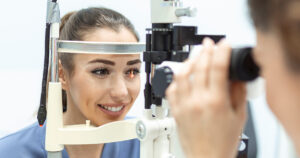
A comprehensive eye examination is essential to determine the type and cause of the squint.
The ophthalmologist may perform:
- Vision testing to check visual clarity.
- Eye alignment tests to assess how both eyes work together.
- Eye movement assessment.
- Refraction tests to identify the need for glasses.
- Examination of the overall eye health to rule out any underlying conditions.
Early diagnosis allows treatment to begin before permanent vision problems develop.
How Is Squint Treated?
Treatment depends on the cause, severity, and age of the patient.
Prescription Glasses
If the squint is caused by a refractive error, wearing the correct glasses may help improve eye alignment, particularly in children.
Eye Patching
When one eye is weaker, patching the stronger eye encourages the weaker eye to develop better vision. This treatment is commonly used for children with lazy eye.
Vision Therapy
Certain eye exercises may help improve eye coordination and strengthen the ability of both eyes to work together in selected cases.
Squint Surgery
If non-surgical treatments do not fully correct the alignment, squint surgery may be recommended. The procedure adjusts the eye muscles to improve eye position and coordination. In many cases, surgery can improve both vision and appearance.
Squint Care at Tandon Eye Hospital
At Tandon Eye Hospital, patients with squint receive a detailed eye evaluation to identify the underlying cause of the condition. Our experienced ophthalmologists offer personalised treatment plans that may include glasses, vision therapy, or surgical correction, depending on each patient’s individual needs.
Early diagnosis and timely treatment can help improve vision, eye coordination, and overall quality of life.
Final Thoughts
Squint is a treatable eye condition that should not be ignored, especially in children. Since early treatment can prevent complications such as lazy eye and improve long-term vision, regular eye examinations are essential.
If you or your child notice that the eyes appear misaligned or experience symptoms such as double vision or difficulty focusing, consult an eye specialist promptly. Early intervention can make a significant difference in preserving healthy vision and restoring proper eye alignment.