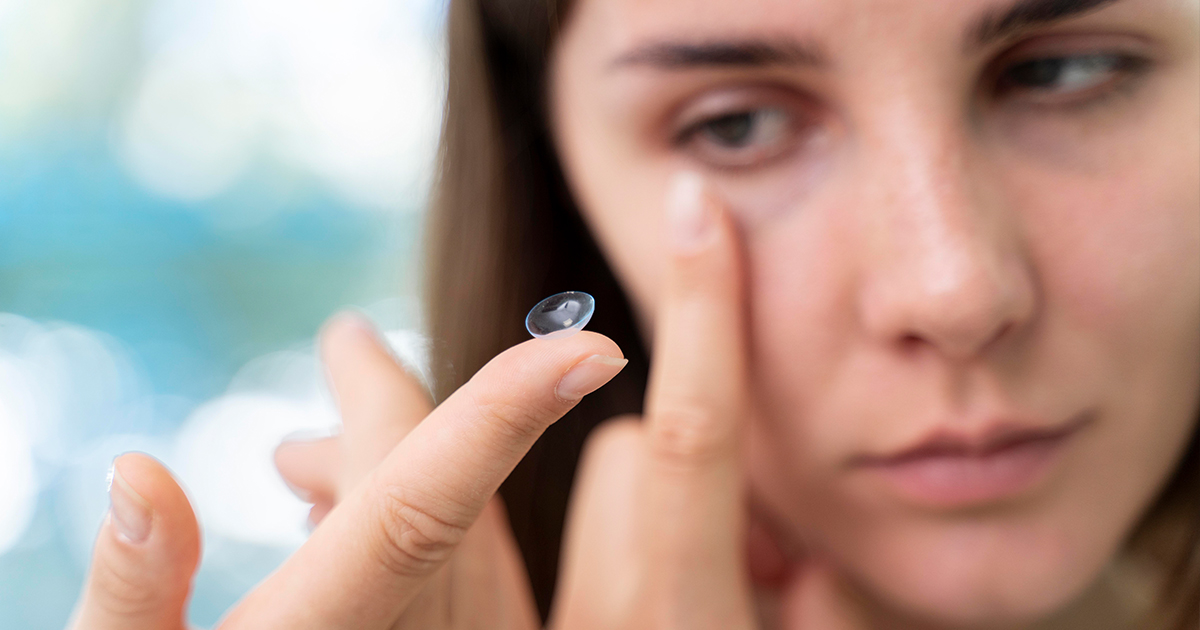
Contact lenses are a safe and convenient alternative to glasses when used correctly. However, improper lens hygiene can increase the risk of eye infections, irritation, and even serious complications that may affect your vision. Fortunately, most contact lens-related infections are preventable with proper care and good hygiene habits.
By following a few simple precautions, you can enjoy clear vision while keeping your eyes healthy and comfortable.
Why Proper Contact Lens Care Matters
Contact lenses sit directly on the surface of the eye. If they are not cleaned, stored, or handled properly, bacteria, fungi, and other microorganisms can accumulate on the lenses and enter the eye.
This can lead to infections such as keratitis (corneal infection), which may cause pain, redness, blurred vision, and, in severe cases, permanent vision damage. Practising good lens hygiene significantly reduces these risks.
Essential Contact Lens Care Tips
Always Wash Your Hands
Before handling your contact lenses, wash your hands thoroughly with soap and water. Dry them with a clean, lint-free towel before touching your lenses. Clean hands help prevent bacteria and dirt from transferring to your eyes.
Clean and Disinfect Your Lenses Properly
If you wear reusable contact lenses, clean and disinfect them every time you remove them. Use only the contact lens solution recommended by your eye care professional.
Avoid using tap water, bottled water, or saliva to rinse or store your lenses, as these can introduce harmful microorganisms.
Replace Your Contact Lens Case Regularly
Your contact lens case can also harbour bacteria if not cleaned properly. Rinse the case with fresh contact lens solution—not water—and allow it to air dry after each use.
Replace the case every three months or sooner if it becomes damaged or dirty.
Never Wear Lenses Longer Than Recommended
Whether you wear daily, monthly, or extended-wear lenses, always follow the replacement schedule prescribed by your ophthalmologist. Wearing lenses beyond their recommended lifespan increases the risk of deposits, irritation, and infection.
Avoid Sleeping with Contact Lenses
Unless your lenses are specifically approved for overnight wear by your eye specialist, remove them before sleeping. Sleeping with contact lenses reduces oxygen supply to the cornea and significantly increases the risk of eye infections.
Keep Lenses Away from Water
Remove your contact lenses before swimming, showering, or using a hot tub. Water can contain microorganisms that may stick to your lenses and cause serious eye infections.
Signs of a Contact Lens-Related Eye Infection
If you wear contact lenses, seek medical attention immediately if you experience:
- Redness that does not improve.
- Eye pain or discomfort.
- Blurred vision.
- Excessive watering or discharge.
- Increased sensitivity to light.
- A feeling that something is stuck in the eye.
Do not continue wearing your contact lenses if any of these symptoms occur. Early treatment can help prevent complications and protect your vision.
Regular Eye Check-ups Are Important
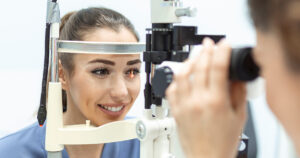
Even if your contact lenses feel comfortable, regular eye examinations are essential. Your ophthalmologist can assess the health of your eyes, ensure your lenses fit correctly, and detect any early signs of irritation or infection.
Routine check-ups also provide an opportunity to update your prescription and discuss any concerns related to contact lens use.
Contact Lens Care at Tandon Eye Hospital
At Tandon Eye Hospital, patients receive comprehensive eye examinations and expert guidance on safe contact lens use. Our ophthalmologists help determine the most suitable contact lenses for your eyes and provide personalised advice on lens hygiene, maintenance, and long-term eye health.
Proper education and regular follow-ups can help reduce the risk of complications and ensure comfortable vision.
Final Thoughts
Contact lenses offer convenience and excellent vision, but they also require responsible care. Simple habits such as washing your hands, cleaning your lenses correctly, replacing them on schedule, and attending regular eye check-ups can go a long way in preventing eye infections.
If you experience redness, pain, blurred vision, or any unusual discomfort while wearing contact lenses, consult an eye specialist promptly. Timely care and good hygiene are the keys to keeping your eyes healthy and your vision clear.