Many patients feel relieved after cataract surgery, but a common question often comes up during follow-ups: Can cataracts come back after surgery?
The short and honest answer is no, cataracts do not come back – but something else can cause similar symptoms, which often leads to confusion.
Understanding what really happens after cataract surgery can help patients feel reassured and know when to seek medical advice.
What Happens During Cataract Surgery
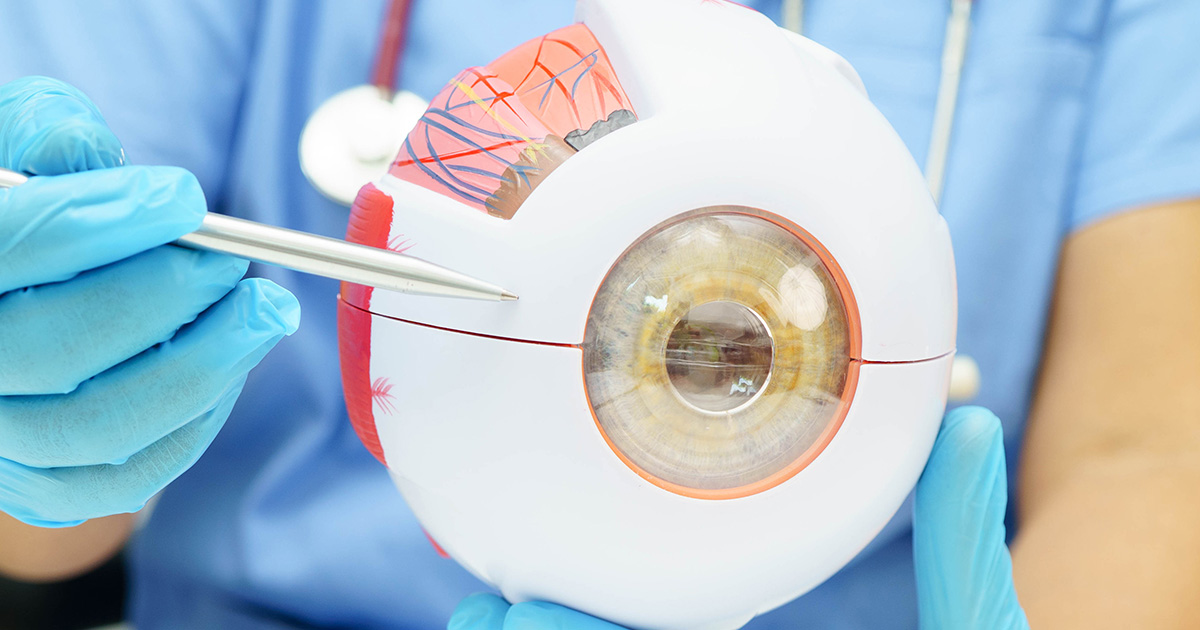
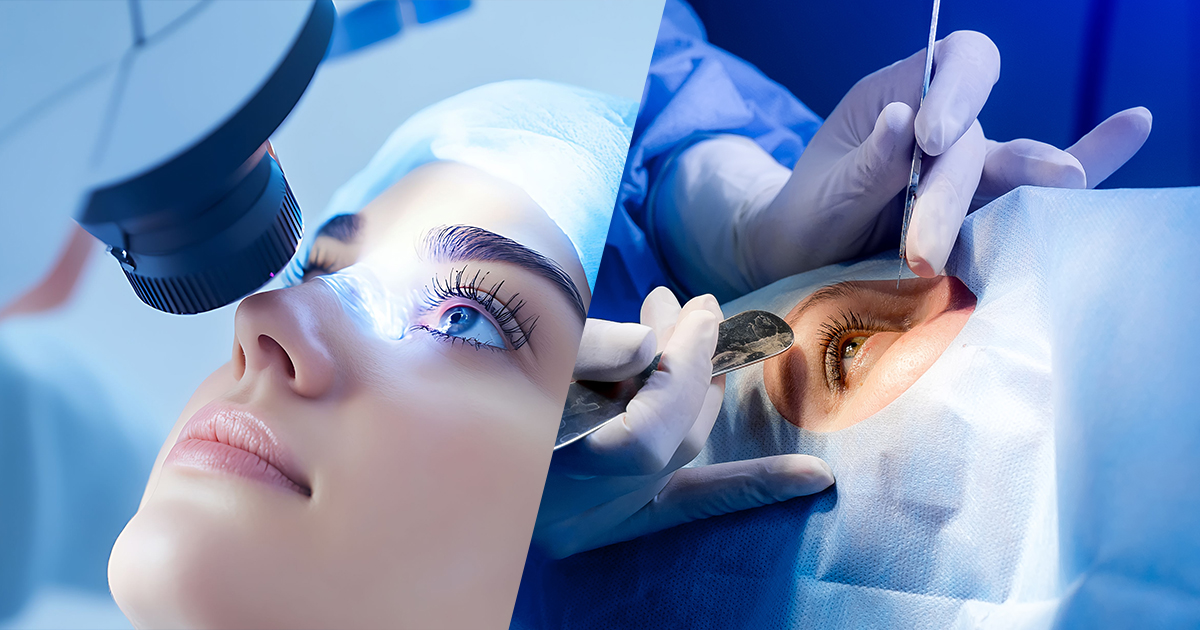
A cataract forms when the eye’s natural lens becomes cloudy. During cataract surgery, this cloudy lens is completely removed and replaced with a clear artificial lens, also called an intraocular lens (IOL).
Since the natural lens is removed permanently, a cataract cannot grow back. The artificial lens does not become cloudy like a natural lens does.
So if vision becomes blurred months or years after surgery, it is usually due to a different reason.
Why Vision Can Become Cloudy Again
The most common reason for blurred vision after cataract surgery is a condition called posterior capsule opacification (PCO).
What Is PCO?
During cataract surgery, the surgeon removes the cloudy lens but leaves a thin transparent membrane (called the posterior capsule) in place to support the artificial lens. Over time, this capsule can become cloudy due to the growth of natural lens cells.
PCO is not a cataract, but it can cause symptoms similar to one.
Symptoms of Posterior Capsule Opacification
PCO may develop gradually and can appear months or even years after surgery. Common symptoms include:
- Blurred or hazy vision
- Increased glare, especially from lights
- Reduced contrast
- Difficulty reading or seeing fine details
These symptoms are usually mild at first and progress slowly.
How Is PCO Treated?
The treatment for PCO is simple, safe, and quick.
A procedure called YAG laser capsulotomy is used to clear the cloudy capsule. It:
- Takes only a few minutes
- Is painless
- Does not require surgery or stitches
- Is done as an outpatient procedure
Once the cloudy area is cleared, light passes through properly again, and vision improves almost immediately in most cases.
Is PCO Common?
PCO is relatively common, especially within the first few years after cataract surgery. However, not everyone develops it and modern surgical techniques and lens designs have reduced its occurrence.
Importantly, PCO does not mean the surgery has failed, and it does not damage the eye when treated on time.
Other Reasons Vision May Change After Cataract Surgery
In some cases, vision changes after surgery may be related to:
- Dry eye
- Changes in spectacle power
- Age-related retinal conditions
- Glaucoma
- Diabetic eye disease
This is why regular eye check-ups remain important even after successful cataract surgery.
When Should You See an Eye Doctor?
You should consult an eye specialist if you notice:
- Gradual blurring of vision after cataract surgery
- Increased glare or halos
- Difficulty reading or driving
- Any sudden change in vision
An eye examination can easily determine whether PCO or another condition is responsible.
Care After Cataract Surgery at Tandon Eye Hospital
At Tandon Eye Hospital, patients receive structured follow-up care after cataract surgery. This includes:
- Regular post-surgery check-ups
- Monitoring for PCO or other eye changes
- Timely laser treatment if required
- Long-term guidance for eye health
The focus is not just on successful surgery, but on maintaining good vision over time.
Conclusion
Cataracts do not return after surgery because the cloudy natural lens is permanently removed. However, conditions like posterior capsule opacification can cause vision to become cloudy again – and this can be treated easily and safely.
Understanding this helps reduce unnecessary worry and encourages patients to seek timely care. If vision changes after cataract surgery, a simple check-up can often restore clarity.