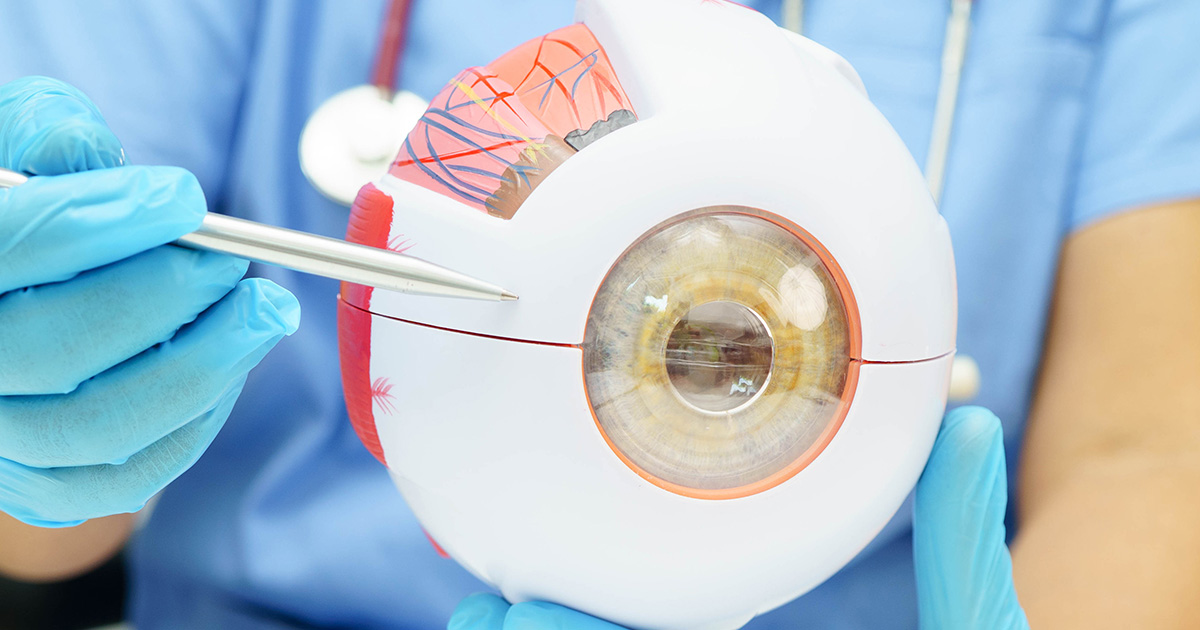

The cornea—the transparent, dome-shaped layer at the front of the eye—is vital for clear vision. But when it becomes cloudy, scarred, or severely damaged, even glasses, contact lenses, or medications may no longer help.In these situations, physicians might suggest a corneal transplant, a procedure that has given millions of people all over the world their vision and hope back.In this blog, we’ll explore when a corneal transplant is needed, what the procedure involves, and how successful it typically is.
What Is a Corneal Transplant?
A corneal transplant, also known as keratoplasty, is a surgical procedure where part (or all) of a damaged cornea is replaced with healthy donor tissue. It’s one of the most common and successful forms of organ transplantation.
Depending on the condition, surgeons may perform:
- Penetrating Keratoplasty (PK): Full-thickness corneal replacement.
- Lamellar Keratoplasty (DALK, DSEK, DMEK): Partial replacement of only the diseased layers.
When Is a Corneal Transplant Needed?
When alternative therapies, including as drugs, lenses, or small operations, don’t work, doctors typically suggest a corneal transplant.
- Keratoconus –Keratoconus: The cornea gradually thins and swells.
- Corneal Scarring – From infections, injuries, or previous surgeries.
- Fuchs’ Dystrophy – A condition where the corneal endothelium doesn’t function properly.
- Severe Corneal Infections (Keratitis) – Leading to scarring or ulcers.
- Corneal Swelling (Edema) – Causing blurred or cloudy vision.
- Hereditary Corneal Diseases – That gradually reduce vision.
If vision is significantly impaired and affecting daily life, a corneal transplant may be the only way to restore clarity.
How Successful Are Corneal Transplants?
The success rate of corneal transplants is very high compared to many other organ transplants. In fact, more than 90% of patients experience improved vision after the procedure, depending on the underlying cause and overall eye health.
Factors that influence success include:
- Type of surgery (full vs partial transplant).
- Condition of the eye (other diseases like glaucoma may affect outcomes).
- Post-surgery care (using prescribed eye drops, avoiding infections, and regular check-ups).
Most patients notice gradual improvement in vision within weeks to months, and with modern surgical techniques, recovery times are shorter than ever.
Risks and Recovery
Like any surgery, corneal transplants carry risks such as infection, rejection of donor tissue, or astigmatism. However, with proper medical supervision and adherence to aftercare instructions, these risks are greatly minimized.
Doctors usually prescribe:
- Anti-rejection eye drops (to prevent the immune system from attacking donor tissue).
- Protective eyewear (to avoid accidental injury).
- Follow-up visits (to monitor healing closely).
Expert Corneal Care in Mumbai
If you or a loved one are struggling with corneal problems, consulting a specialist is the first step. At Tandon Eye Hospital, Mumbai, advanced corneal procedures, including transplants, are performed by experts like Dr. Ayush Tandon, Cornea Specialist. With state-of-the-art facilities and personalized care, the hospital has helped countless patients regain vision and quality of life.
Final Thoughts
A corneal transplant isn’t just about restoring vision—it’s about restoring independence and confidence. While the thought of eye surgery may feel overwhelming, the results are often life-changing.
If you notice worsening vision, recurring infections, or symptoms your glasses can’t fix, don’t delay. Seeing a cornea specialist early on can have a significant impact.. With expert care, like that offered at Tandon Eye Hospital, you can look forward to a clearer, brighter future.