
Copyright © 2026 Tandon Eye Hospital, All rights reserved. Managed by Tandon Eye Hospital
Cataract Care at Tandon Eye Hospital
A cataract is clouding of the eye’s natural lens. It may cause blurred vision, glare or difficulty with everyday activities. An ophthalmologist can examine your eyes, assess the cause of your symptoms and explain the treatment options that may be appropriate for you.
Enquire About Cataract Care
Enter your details and select the information you are looking for
Understanding Cataract Lens Options
During cataract surgery, the cloudy natural lens is removed and an intraocular lens (IOL) is implanted. Different lenses provide distinct visual ranges and optical characteristics. The best match depends on your eye anatomy, lifestyle needs, and a thorough clinical discussion with your ophthalmologist.
Monofocal Lens
Single-Distance Focus
Designed to deliver sharp focus at one fixed distance, conventionally set for far distance. Corrective glasses are typically required for intermediate and near visual tasks.
- Optimized for crisp, reliable distance vision
- Minimal risk of night-time glare or halos
- Reading glasses required for near work
Toric Lens
Astigmatism Correction
Specially designed to neutralize corneal astigmatism alongside cataract removal, ensuring sharper unfocused vision across target focal planes.
- Corrects pre-existing corneal astigmatism
- Available across monofocal, EDOF, or trifocal designs
- Requires precise pre-operative mapping & axis alignment
EDOF Lens
Extended Depth of Focus
Elongates the focal point to create continuous focus from distance through intermediate (computer and dashboard distances), with minimal photic phenomena.
- Seamless transition between distance and intermediate ranges
- Lower incidence of glare/halos compared to trifocal lenses
- Low-power reading glasses may still be needed for fine print
Trifocal Lens
Full-Range Vision
Utilizes advanced diffractive optics to split light into three distinct focal points—near, intermediate, and distance—offering maximum spectacle independence.
- Functional vision across near, mid, and far ranges
- Significantly reduces day-to-day dependence on glasses
- Potential for visual trade-offs like halos or glare at night
*Final lens suitability can only be determined after detailed diagnostic scans and consultation with your ophthalmologist.
When Is an Eye Assessment Worth Considering?
Changes such as cloudy or blurred vision, glare, faded colours, or difficulty with everyday visual tasks can have several causes, including cataracts. These symptoms do not confirm a cataract by themselves. An eye examination is needed to identify the underlying cause and discuss appropriate next steps.
Important Note: Sudden or severe vision changes require immediate medical assessment. If you experience sudden loss of vision, sharp pain, or flashes of light, seek urgent ophthalmic care.
Understanding the Cataract Care Process
1
Eye Examination
The ophthalmologist assesses your symptoms and examines your eyes to understand whether a cataract is affecting your vision and whether other eye conditions need to be considered.
2
Tests & Measurements
Where clinically indicated, eye measurements and imaging help the treating team plan the procedure and calculate the appropriate intraocular lens power. The team will explain the purpose of the recommended tests.
3
Treatment Discussion
The ophthalmologist discusses whether surgery is appropriate, suitable lens options, potential benefits and limitations, material risks, anaesthesia, and the consent process. You can ask questions before making a decision.
4
Procedure & Follow-Up
If surgery is recommended and you decide to proceed, the team will explain the procedure-day arrangements, discharge plan, prescribed medicines, activity guidance, and follow-up schedule. Recovery varies between patients.
Diagnostic Equipment and Surgical Facilities
Accurate pre-operative diagnostics and dedicated surgical suites assist the ophthalmic team in planning intraocular lens calculations and procedure delivery.
Optical Biometry
IOLMaster 700
Optical biometry is used to measure relevant eye dimensions and support intraocular lens power calculations as part of cataract planning.
Corneal Tomography
Oculus Pentacam HR
Corneal imaging and tomography can provide information about corneal shape and related measurements. The clinician determines when this information is relevant to planning.
Surgical Suites
Dedicated Operating Theatres
Equipped with structured air filtration and sterile protocols designed to maintain cleanroom environments during microsurgical procedures.
Treatment Costs and Insurance Information
The charges for cataract treatment can depend on the clinical plan, lens selected, required investigations, and hospital services. The hospital's billing team can provide current information about applicable charges and explain the process for checking insurance or cashless eligibility. Final coverage depends on the policy, insurer requirements, treatment, and authorisation.
Transparent Fee Guidance
A formal itemised estimate can be provided prior to surgery outlining what is included in the daycare procedure and what diagnostic assessments or medications are billed separately.
- Charges vary depending on the chosen intraocular lens (IOL)
- Includes routine daycare theatre services
- Detailed itemisation available upon clinical assessment
Insurance & TPA Assistance
Our administrative desk helps coordinate paperwork for policyholders seeking reimbursement, subject to specific insurer and Third Party Administrator (TPA) approval.
- Empanelment details and guidelines verified on site
- Pre-authorisation requests submitted to your insurer
- Final approval and co-pay amounts are determined by the policy
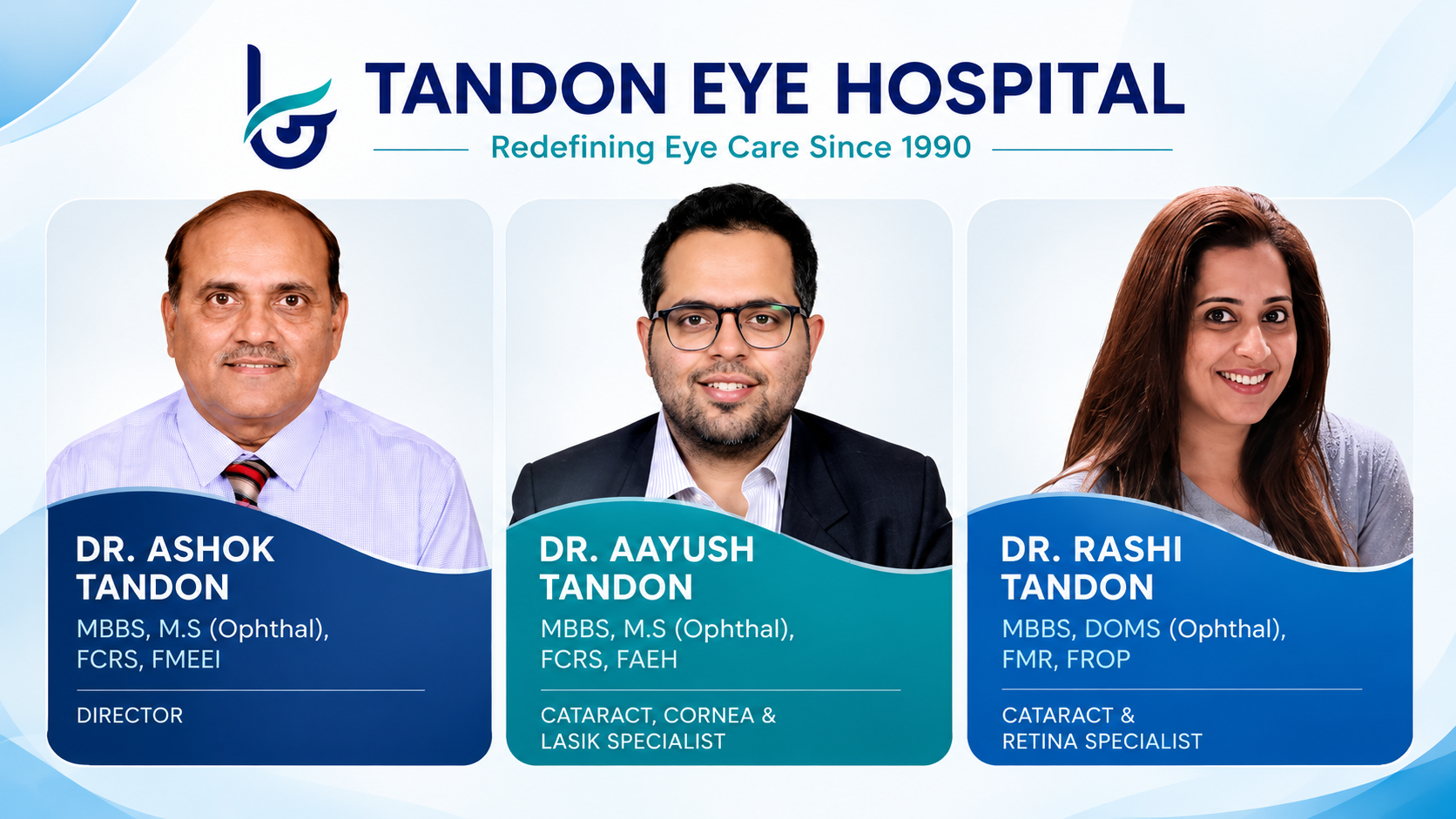
Medical Team and Clinical Services
The hospital’s ophthalmic team provides assessment and treatment for eye conditions within the clinicians’ verified areas of practice. Doctor profiles list each practitioner’s verified qualifications, specialty, and clinical focus.
Hospital Location: 2nd Floor, Adani Inspire Hub, JP Road, Above Tirumala Shopping Centre, Andheri West, Mumbai, Maharashtra 400058.
FAQ
Frequently Asked Questions
Is cataract surgery painful?
The type of anaesthesia used depends on the patient and the planned procedure. Your ophthalmologist will explain the approach, what you may feel and how discomfort is managed. Ask your treating team about any concerns before the procedure.
How long does recovery take?
Recovery differs from person to person and depends on individual eye health and the treatment performed. Your care team will explain what to expect, how to use prescribed eye drops, which activities to avoid and when to attend follow-up appointments.
Can a cataract come back after surgery?
The natural lens containing the cataract is removed during surgery, so the same cataract does not grow back. In some patients, the capsule behind the implanted lens can become cloudy over time. This is called posterior capsule opacification. If it affects vision, an ophthalmologist can assess whether treatment, such as YAG laser capsulotomy, is appropriate.
How is a lens option selected?
Lens selection depends on the eye examination, measurements, eye health, visual needs and the benefits and limitations of each option. Your ophthalmologist can discuss the options that may be suitable for you.
How much does cataract treatment cost?
The total cost can depend on the clinical plan, selected lens, investigations and applicable hospital charges. Contact the hospital's billing team for current, itemised information relevant to the proposed treatment.
Does insurance cover cataract treatment?
Coverage depends on the insurance policy, insurer or TPA requirements, the proposed treatment and any required authorisation. The hospital can explain its current empanelment details and the process for checking eligibility. Coverage should be confirmed with the insurer before treatment.
Do all patients go home the same day?
Discharge arrangements depend on the procedure, clinical assessment and the treating team's instructions. The hospital will explain the plan for the individual patient before surgery.
Cataract Care Information and Hospital Contact
Review the cataract information on this page, including lens options, the treatment process, follow-up and billing information. For hospital location and current contact details, use the information above.
Contact Info
- Office No. 222, Adani Inspire Hub, JP Rd, above Tirumala Shopping Centre, Sahayog Nagar, Bhudargarh Colony, Andheri West, Mumbai, Maharashtra 400053
-
Mon-Sat:
11:00 AM to 2:00 PM
5:00 PM to 8:00 PM - tel: +91 9833111200
- tandoneyecare@yahoo.co.in