
The retina plays a critical role in vision. It captures light and sends visual signals to the brain, helping us see clearly. When the retina is affected by disease or injury, vision can reduce gradually or sometimes suddenly. The good news is that retina care has advanced significantly over the last few years, making early diagnosis and treatment more effective than before.
Understanding the latest retina treatment technologies can help patients seek timely care and make informed decisions.
Advanced Retinal Imaging for Early Detection
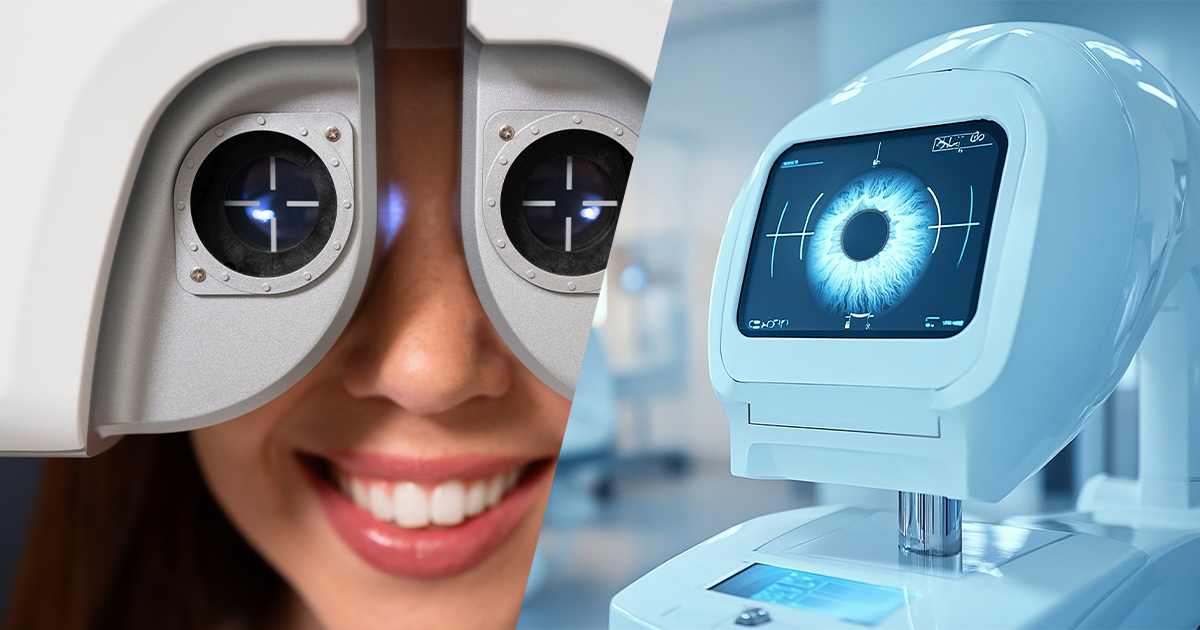
One of the biggest improvements in retina care is high-resolution retinal imaging. These tools help doctors detect changes in the retina even before symptoms appear.
Optical Coherence Tomography (OCT)
OCT is a non-invasive scan that provides detailed cross-section images of the retina. It helps in diagnosing and monitoring conditions such as:
- Diabetic retinopathy
- Macular degeneration
- Retinal swelling (macular edema)
OCT allows retina specialists to track disease progression and response to treatment accurately.
Fundus Photography
Digital fundus cameras capture detailed images of the retina. These images are useful for documentation, comparison over time, and patient education.
Anti-VEGF Injection Therapy
Anti-VEGF injections have become a standard treatment for several retinal conditions. VEGF (vascular endothelial growth factor) promotes abnormal blood vessel growth and leakage in the retina.
These injections are commonly used for:
- Diabetic macular edema
- Wet age-related macular degeneration
- Retinal vein occlusion
The medication is injected into the eye under sterile conditions. While multiple sessions may be required, this treatment has helped many patients maintain or improve vision when started early.
Laser Treatment for Retinal Disorders
Laser technology continues to play an important role in retina care.
Retinal Laser Photocoagulation
Laser treatment is often used for:
- Diabetic retinopathy
- Retinal tears
- Preventing retinal detachment
Modern lasers are more precise and cause minimal damage to surrounding tissues. In many cases, laser treatment helps stop disease progression rather than restore lost vision.
Vitreo-Retinal Surgery (Vitrectomy)
Vitrectomy is a surgical procedure used for advanced retinal conditions. It involves removing the vitreous gel from the eye to access and treat the retina.
It is commonly performed for:
- Retinal detachment
- Vitreous hemorrhage
- Macular holes
- Severe diabetic eye disease
Advances in surgical instruments have made vitrectomy safer, with smaller incisions and faster recovery compared to earlier techniques.
Wide-Field Retinal Imaging
Wide-field imaging allows doctors to view a larger area of the retina in a single image. This is especially useful in detecting peripheral retinal problems that may be missed with standard imaging.
It helps in managing:
- Diabetic retinopathy
- Retinal tears
- Peripheral retinal degeneration
This technology supports early diagnosis and better treatment planning.
Sustained-Release Drug Implants
In certain cases of chronic retinal swelling, sustained-release implants are used. These implants slowly release medication inside the eye over time, reducing the need for frequent injections.
They are used selectively and only when suitable for the patient’s condition.
Importance of Regular Retina Check-Ups
Technology alone is not enough. Regular eye examinations remain essential, especially for:
- People with diabetes
- Individuals over 50
- Patients with a family history of retinal disease
- Those experiencing sudden vision changes
Early detection often leads to better outcomes.
Retina Care at Tandon Eye Hospital
At Tandon Eye Hospital, retina care combines advanced diagnostic tools with experienced retina specialists. Each patient receives a personalized treatment plan based on their condition and stage of disease. The hospital focuses on accurate diagnosis, timely intervention and long-term monitoring.


