Cataract, commonly known as Motiyabind, is one of the leading causes of vision loss in India—especially among older adults. It is a slow, progressive clouding of the eye’s natural lens, which can severely impact daily life if left untreated. Fortunately, cataracts are treatable, especially when detected early.
In this blog, Tandon Hospital brings you everything you need to know about the warning signs, symptoms, and causes of cataracts, so you can take proactive steps for your vision health.
👁️ What is a Cataract (Motiyabind)?
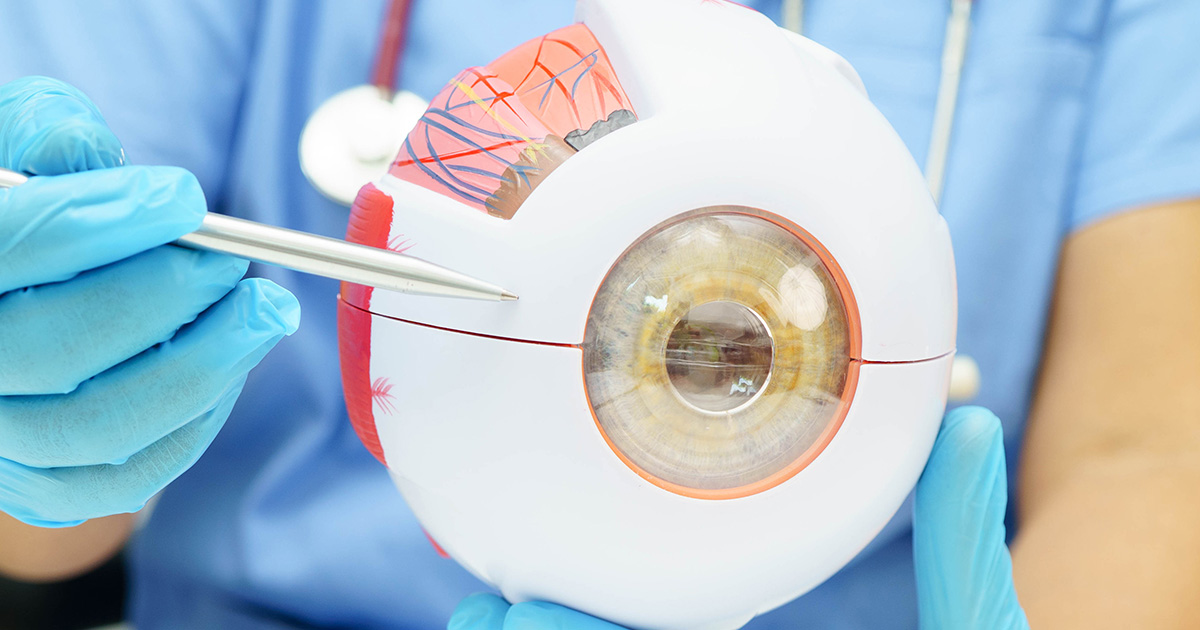
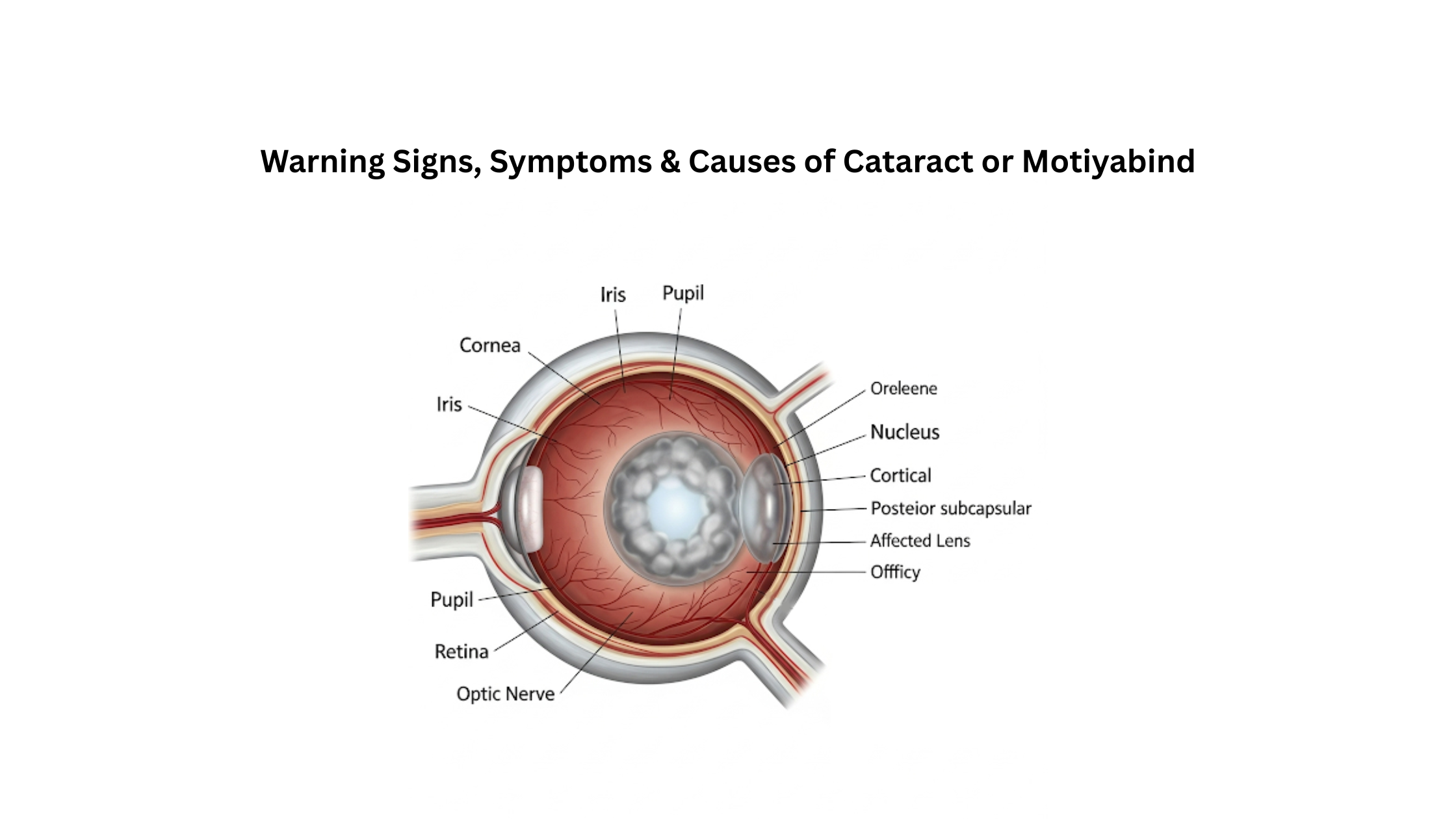
A cataract is the clouding of the eye’s natural lens, located behind the iris. As the lens becomes opaque, it prevents light from passing clearly to the retina, resulting in blurry vision.
⚠️ Warning Signs and Early Symptoms of Cataract
Recognizing the early signs can help you seek treatment before your vision deteriorates. Watch out for:
1. Blurry or Cloudy Vision
Objects may appear foggy, like looking through a dirty window.
2. Difficulty Seeing at Night
Night vision becomes poor; you may need more light than usual.
3. Sensitivity to Light and Glare
Bright lights may cause discomfort or halos around them.
4. Fading or Yellowing of Colors
Colors seem less vibrant or have a yellowish tint.
5. Double Vision in One Eye
Seeing multiple images with one eye is a common cataract symptom.
6. Frequent Changes in Eyeglass Prescription
Needing stronger lenses frequently could be a sign of lens clouding.
7. Seeing Halos Around Lights
You may see rings or glare around headlights or streetlights at night.
If you notice any of these symptoms, schedule an eye exam at Tandon Hospital immediately.
🧬 What Causes Cataracts?
Cataracts can form for a variety of reasons, most commonly due to aging. However, several risk factors contribute:
1. Age-Related Changes
The most common cause—proteins in the lens break down over time, leading to clouding.
2. Prolonged Exposure to UV Rays
Sunlight exposure without proper eye protection can speed up lens damage.
3. Diabetes and High Blood Sugar
People with diabetes are at higher risk due to lens swelling and changes.
4. Eye Injuries or Trauma
Any past eye injury can trigger cataract formation.
5. Smoking and Excessive Alcohol Use
Both contribute to oxidative stress and damage lens proteins.
6. Long-term Use of Steroid Medications
Steroids (especially oral or eye drops) are linked to increased cataract risk.
7. Family History
If cataracts run in your family, your chances of developing them are higher.
👨⚕️ When to See a Doctor?
If you or a loved one is experiencing any of the above symptoms, it’s time to get an eye check-up. At Tandon Hospital, our advanced diagnostic tools and experienced ophthalmologists help detect cataracts early and recommend the best treatment options.
🌟 Why Choose Tandon Hospital?
- Experienced ophthalmologists and eye surgeons
- Advanced diagnostic equipment
- Safe and effective cataract surgery
- Personalized eye care and follow-ups
Final Thoughts
Cataracts don’t develop overnight—but the longer they go untreated, the more they interfere with your lifestyle. Early detection and timely treatment can restore your vision and protect your eye health for the long run.
Don’t ignore the warning signs. Book an eye check-up at Tandon Hospital today and take a clear step towards better vision.