If someone in your family has been diagnosed with glaucoma, it’s natural to wonder whether you are at risk too. The answer is yes—family history is one of the strongest risk factors for developing glaucoma. While having a close relative with glaucoma does not mean you will definitely develop the condition, it does increase your chances.
The good news is that early detection and regular eye care can help identify glaucoma before it causes significant vision loss. Knowing your risk and taking preventive steps can go a long way in protecting your eyesight.
Why Family History Matters
Glaucoma is a group of eye conditions that damage the optic nerve, often due to increased pressure inside the eye. This damage usually occurs gradually and may not cause noticeable symptoms in the early stages.
Research has shown that individuals with a parent, sibling, or close family member who has glaucoma are more likely to develop the condition themselves. Because glaucoma often progresses silently, many people are unaware they have it until permanent vision loss has already occurred.
This makes regular eye screening especially important for those with a family history of the disease.
Can Glaucoma Be Prevented?
There is currently no guaranteed way to prevent glaucoma. However, early diagnosis and timely treatment can help prevent or significantly slow down vision loss.
The key is to detect the condition before it affects your eyesight. Regular comprehensive eye examinations allow ophthalmologists to identify early signs of glaucoma and begin treatment when needed.
Steps to Reduce Your Risk
Schedule Regular Eye Check-ups
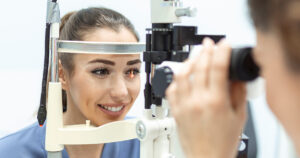
Routine eye examinations are the most effective way to detect glaucoma early. If you have a family history of the condition, your ophthalmologist may recommend more frequent screenings, even if you have no symptoms.
Early diagnosis provides the best chance of preserving your vision.
Know Your Family Medical History
Talk to your parents, siblings, and close relatives about their eye health. Sharing this information with your eye doctor helps them assess your individual risk and determine the most appropriate screening schedule.
Maintain a Healthy Lifestyle
While lifestyle changes cannot prevent glaucoma entirely, they support overall eye health. Eating a balanced diet rich in leafy green vegetables, fruits, and healthy fats, staying physically active, and managing conditions like diabetes and high blood pressure can benefit your vision.
Protect Your Eyes
Eye injuries can increase the risk of certain eye problems. Wear protective eyewear while playing sports, working with tools, or performing activities that could expose your eyes to injury.
Follow Your Doctor’s Advice
If your ophthalmologist identifies elevated eye pressure or early signs of glaucoma, following the recommended treatment plan is essential. Using prescribed medications regularly and attending follow-up appointments can help prevent further damage to the optic nerve.
Who Should Be Screened?
People with a family history of glaucoma should be particularly proactive about eye care. Regular screening is especially important if you:
- Are over 40 years of age.
- Have a parent, sibling, or close relative with glaucoma.
- Have diabetes or high blood pressure.
- Have high eye pressure.
- Are using steroid medications for an extended period.
Even if your vision seems perfectly normal, these risk factors make regular eye examinations essential.
Glaucoma Care at Tandon Eye Hospital
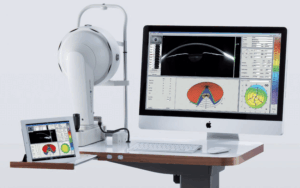
At Tandon Eye Hospital, comprehensive glaucoma screening helps identify the condition at an early stage, especially for individuals with a family history of the disease. Using advanced diagnostic technology, our ophthalmologists assess eye pressure, examine the optic nerve, and recommend personalised care based on each patient’s risk profile.
Regular monitoring and timely treatment can help preserve vision and improve long-term eye health.
Final Thoughts
A family history of glaucoma does not guarantee that you will develop the condition, but it does mean you should take your eye health seriously. Since glaucoma often develops without early warning signs, regular eye examinations are the best way to detect it before permanent vision loss occurs.
If glaucoma runs in your family, don’t wait for symptoms to appear. Early screening, routine follow-ups, and timely treatment can make a significant difference in protecting your vision for years to come.