Diabetes affects millions of people worldwide, and most are aware of its impact on blood sugar, heart health, and kidneys. However, many people do not realise that diabetes can also cause serious damage to the eyes. In fact, diabetic eye disease is one of the leading causes of vision loss among adults.
The good news is that modern retina care has advanced significantly over the past decade. With early diagnosis, regular monitoring, and timely treatment, many diabetic patients can preserve their vision and continue their daily lives without major visual limitations. This is where retina specialists play a critical role.
How Diabetes Affects the Retina
The retina is the light-sensitive layer located at the back of the eye. It converts light into signals that are sent to the brain, allowing us to see clearly.
High blood sugar levels over time can damage the tiny blood vessels that supply the retina. This condition is known as Diabetic retinopathy.
In its early stages, diabetic retinopathy may not cause noticeable symptoms. As the disease progresses, the damaged blood vessels may leak fluid or blood into the retina, affecting vision.
If left untreated, diabetic retinopathy can lead to severe vision loss and even blindness.
Why Early Detection Is So Important
One of the biggest challenges with Diabetic eye disease is that it often develops silently.
Many patients continue to see normally during the early stages and may not realise that retinal damage is already occurring. By the time vision becomes blurry, significant changes may have already taken place.
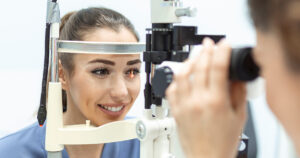
This is why regular retinal examinations are recommended for people with diabetes, even when there are no symptoms.
Early detection allows treatment to begin before permanent damage occurs.
Symptoms That Should Never Be Ignored
Although early diabetic retinopathy may not cause symptoms, patients should seek an eye examination if they notice:
- Blurred vision
- Fluctuating vision
- Dark spots or floaters
- Difficulty reading
- Distorted vision
- Sudden loss of vision
These symptoms do not always indicate diabetic retinopathy, but they require prompt evaluation.
The Role of Retina Specialists
Retina specialists are ophthalmologists with advanced training in diagnosing and treating diseases affecting the retina and vitreous.
For diabetic patients, they help by:
- Detecting retinal damage early
- Monitoring disease progression
- Recommending appropriate treatment
- Managing complications before vision is permanently affected
Their expertise is particularly important when diabetic eye disease reaches more advanced stages.
Modern Treatments That Are Making a Difference
Advances in retinal care have transformed the management of diabetic eye disease. Several effective treatment options are now available depending on the severity of the condition.
Anti-VEGF Injections
One of the most significant developments in retina treatment has been the use of anti-VEGF medications.
These medicines are injected into the eye to reduce abnormal blood vessel growth and retinal swelling.
Anti-VEGF therapy is commonly used to treat:
- Diabetic macular edema
- Advanced diabetic retinopathy
For many patients, these injections help stabilise vision and reduce the risk of further deterioration.
Retinal Laser Treatment
Laser therapy remains an important treatment option in certain cases.
Laser treatment can:
- Seal leaking blood vessels
- Reduce abnormal blood vessel growth
- Lower the risk of severe vision loss
The type of laser treatment depends on the specific retinal findings.
Vitreo-Retinal Surgery
In advanced diabetic eye disease, bleeding inside the eye or scar tissue formation may require surgery.
Vitreo-retinal surgery can help:
- Remove blood from the vitreous cavity
- Repair retinal damage
- Address traction-related complications
While surgery is not needed for every patient, it can be vision-saving in severe cases.
Managing Diabetes Is Part of Eye Care
Successful treatment of diabetic retinopathy does not depend only on procedures performed inside the eye.
Patients can help protect their vision by maintaining:
- Good blood sugar control
- Healthy blood pressure levels
- Proper cholesterol management
- Regular medical follow-ups
Close coordination between eye specialists and diabetes care providers often leads to better outcomes.
How Often Should Diabetic Patients Get Their Eyes Checked?
The frequency depends on individual risk factors and retinal findings.
However, most diabetic patients should undergo regular dilated retinal examinations, even when their vision seems normal.
Patients with existing diabetic retinopathy may require more frequent monitoring based on their specialist’s recommendations.
Retina Care at Tandon Eye Hospital
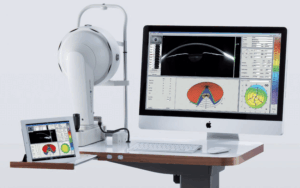
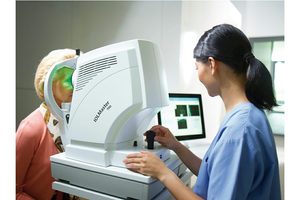
At Tandon Eye Hospital, diabetic patients undergo comprehensive retinal evaluation using advanced imaging and diagnostic technologies. Detailed retinal assessments help identify diabetic changes at an early stage and guide personalised treatment plans.
The focus is on preserving vision through early intervention, regular monitoring, and access to modern retina treatment options.
Final Thoughts
Diabetic eye disease remains a serious concern, but it is no longer a condition that must inevitably lead to vision loss. Advances in retinal imaging, medications, laser treatment, and vitreo-retinal surgery have greatly improved outcomes for patients.
The key is early detection. Regular eye examinations, combined with proper diabetes management, can help protect vision for years to come.
For people living with diabetes, caring for the retina is just as important as managing blood sugar. A timely retinal check-up today could make a significant difference to vision tomorrow.