A squint, also known as strabismus, is a condition in which the eyes do not align properly. One eye may look straight ahead while the other turns inward, outward, upward, or downward. Squint can affect both children and adults and, if left untreated, may lead to vision problems such as lazy eye, double vision, or reduced depth perception.
The good news is that many cases of squint can be treated successfully. Depending on the cause and severity of the condition, treatment may involve non-surgical methods, surgery, or a combination of both.
Why Is Squint Treatment Important?
When the eyes are not properly aligned, they cannot work together effectively. In children, untreated squint can interfere with normal vision development and lead to amblyopia (lazy eye). In adults, it may cause double vision, eye strain, headaches, and difficulty judging distances.
Early diagnosis allows ophthalmologists to recommend the most suitable treatment and improve both vision and eye alignment.
Non-Surgical Treatments for Squint
Not every patient with squint requires surgery. In many cases, non-surgical treatments can effectively improve eye alignment and visual function.
Prescription Glasses
Some types of squint, especially those caused by farsightedness (hyperopia), can improve with the correct prescription glasses. By reducing the effort needed to focus, glasses help the eyes work together more effectively.
Eye Patching
If one eye is weaker than the other, patching the stronger eye encourages the weaker eye to develop better vision. This treatment is commonly recommended for children with lazy eye associated with squint.
Vision Therapy
Vision therapy includes a series of supervised eye exercises designed to improve eye coordination, focusing ability, and teamwork between both eyes. It may be recommended for selected patients depending on the type of squint.
Prism Glasses
In some adults with mild eye misalignment or double vision, prism lenses may help align the images seen by each eye, reducing visual discomfort without surgery.
When Is Squint Surgery Needed?
Surgery may be recommended when non-surgical treatments do not provide adequate eye alignment or when the squint is too severe to be corrected with glasses or exercises alone.
Squint surgery involves adjusting the muscles that control eye movement. Depending on the condition, the surgeon may strengthen, weaken, or reposition one or more eye muscles to improve alignment.
The procedure is generally performed under general anaesthesia in children and under general or local anaesthesia in adults, depending on individual circumstances.
What to Expect After Surgery
Most patients return home on the same day after squint surgery. Mild redness, watering, or discomfort is common for a few days and usually improves with prescribed medications.
Recovery recommendations may include:
- Using prescribed eye drops as directed.
- Avoiding rubbing the eyes.
- Limiting strenuous activities for a short period.
- Attending scheduled follow-up appointments to monitor healing.
Some patients may still require glasses or vision therapy after surgery to achieve the best possible visual outcome.
Which Treatment Is Right for You?
The most appropriate treatment depends on several factors, including:
- The patient’s age.
- The type and severity of the squint.
- The underlying cause.
- Whether lazy eye or double vision is present.
- Overall eye health.
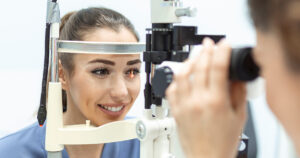
A comprehensive eye examination helps the ophthalmologist determine the most effective treatment plan for each individual.
Squint Care at Tandon Eye Hospital
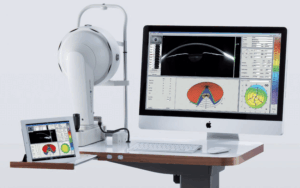
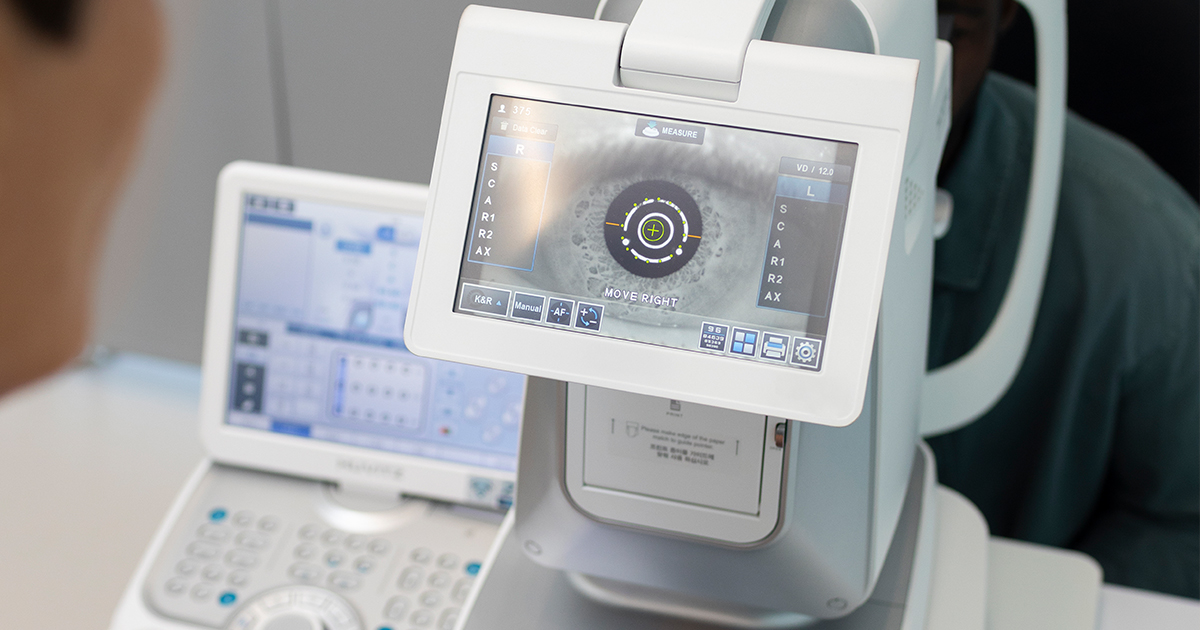
At Tandon Eye Hospital, patients with squint receive a detailed evaluation using advanced diagnostic techniques to identify the underlying cause of the condition. Our experienced ophthalmologists provide personalised treatment plans that may include glasses, vision therapy, eye patching, or squint surgery based on each patient’s specific needs.
The goal is to improve eye alignment, enhance visual function, and support long-term eye health.
Final Thoughts
Squint is a treatable condition, and early intervention can make a significant difference in both vision and appearance. Whether managed through non-surgical methods or corrective surgery, timely treatment helps improve eye coordination and reduces the risk of long-term complications.
If you or your child has a squint or experiences symptoms such as double vision or poor eye alignment, consult an eye specialist. A comprehensive eye examination can help determine the most suitable treatment and support healthy vision for the future.