Technology is changing healthcare in many ways, and eye care is one field seeing rapid advances. Today, doctors use modern imaging systems, digital scans, and artificial intelligence (AI) tools to detect eye diseases earlier and more accurately.
While AI does not replace eye specialists, it is becoming a valuable support tool that helps doctors identify problems sooner, monitor changes more effectively, and improve patient care.
What Does AI Mean in Eye Care?
Artificial intelligence refers to computer systems that can analyse medical data and identify patterns. In ophthalmology, AI is mainly used to study retinal scans, eye images, and diagnostic reports.
These systems are trained using large numbers of eye scans so they can recognise signs linked to conditions such as:
- Diabetic retinopathy
- Retinal diseases
- Glaucoma
- Age-related macular degeneration
The goal is to help doctors detect changes that may be difficult to notice in very early stages.
Why Early Detection Matters
Many eye diseases develop slowly and without obvious symptoms in the beginning. By the time vision changes become noticeable, some damage may already have occurred.
For example:
- Glaucoma can silently damage the optic nerve
- Diabetic retinopathy may affect the retina before symptoms appear
- Macular degeneration can gradually reduce central vision
Early diagnosis allows treatment to begin sooner, helping reduce the risk of vision loss.
How AI Supports Eye Specialists
AI works alongside diagnostic tools and specialist evaluation. It does not make treatment decisions on its own but helps doctors by analysing scans quickly and consistently.
Faster Analysis of Retinal Images
AI-based systems can study retinal photographs and highlight areas that may require closer examination.
Better Screening for Diabetic Eye Disease
Diabetic retinopathy screening is one of the most widely discussed uses of AI in eye care. Automated systems can help identify early retinal changes in diabetic patients.
Monitoring Disease Progression
Comparing scans over time helps doctors track whether a condition is stable or progressing.
Supporting Large-Scale Screening
Technology can help screen more patients efficiently, especially in busy healthcare settings.
Modern Diagnostic Technologies Used Alongside AI
AI is only one part of modern eye care. Advanced diagnostic machines also play an important role.
Optical Coherence Tomography (OCT)
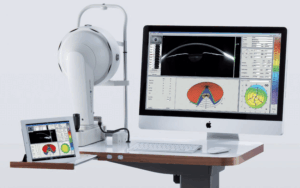
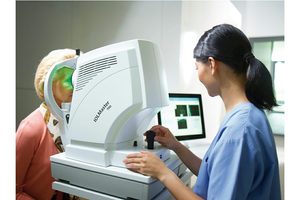
OCT creates detailed cross-sectional images of the retina and optic nerve. It helps detect subtle changes early.
Digital Retinal Imaging
High-resolution retinal photographs allow doctors to document and monitor retinal health over time.
Corneal Topography
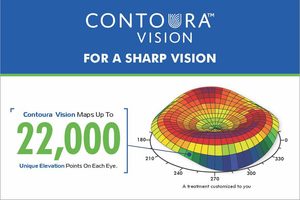
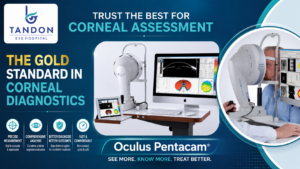
This maps the shape of the cornea and is useful in LASIK planning and corneal disease evaluation.
Visual Field Testing
Used in glaucoma management to assess side vision and detect progression.
These technologies improve accuracy and help specialists make informed clinical decisions.
Can AI Replace Eye Doctors?
No. AI is a support system, not a replacement for medical expertise.
Eye diseases are complex, and diagnosis depends on multiple factors, including symptoms, examination findings, medical history, and specialist judgment.
AI helps by:
- Improving efficiency
- Assisting in screening
- Supporting early detection
But final diagnosis and treatment planning remain the responsibility of trained eye specialists.
Benefits for Patients
Modern technology is helping make eye care more proactive and precise.
Patients may benefit from:
- Earlier diagnosis
- Better disease monitoring
- More accurate treatment planning
- Improved awareness about eye health
This is especially important for conditions where early intervention can protect vision.
Importance of Regular Eye Check-ups
Even with advanced technology, routine eye examinations remain essential.
Many serious eye conditions still develop without symptoms in the early stages. Regular check-ups help ensure that problems are detected before they begin affecting vision significantly.
People with diabetes, high blood pressure, a family history of glaucoma, or increasing screen exposure should be particularly careful about regular screening.
Technology-Driven Eye Care at Tandon Eye Hospital
At Tandon Eye Hospital, modern diagnostic systems are used to support detailed eye evaluation and early disease detection. Advanced imaging and retinal assessment tools help specialists identify changes accurately and plan personalised treatment.
The focus is on combining technology with clinical expertise to provide informed and timely eye care.
Final Thoughts
AI and modern imaging technologies are improving the way eye diseases are detected and monitored. While these advancements do not replace doctors, they are helping specialists identify problems earlier and manage conditions more effectively.
As eye care continues to evolve, one thing remains unchanged – early diagnosis is one of the best ways to protect vision. Regular eye check-ups, combined with modern technology and specialist care, can make a meaningful difference in long-term eye health.