The cornea is the clear, outermost layer at the front of the eye. It plays an important role in focusing light and protecting the eye from dust, infection and injury. Because it is the first surface light passes through, even a small problem in the cornea can affect vision.
Corneal disorders can develop for different reasons, including infection, injury, or underlying eye conditions. Many of these issues start with mild symptoms, which are often ignored. Recognising early signs can help prevent complications and protect vision.
What Are Corneal Disorders?
Corneal disorders refer to any condition that affects the clarity, shape or health of the cornea. When the cornea becomes cloudy, swollen, or irregular, it can lead to blurred or distorted vision.
Some corneal conditions develop suddenly, while others progress slowly over time.
Common Types of Corneal Problems
Several conditions can affect the cornea:
Keratoconus
This is a condition where the cornea becomes thin and bulges outward into a cone shape. It can lead to distorted vision and increased sensitivity to light.
Corneal Infections (Keratitis)
Infections caused by bacteria, viruses, or fungi can affect the cornea. These are more common in contact lens users or after eye injury.
Corneal Scarring
Injuries or infections can leave scars on the cornea, reducing its transparency and affecting vision.
Dry Eye–Related Surface Damage
Severe or long-term dry eye can damage the corneal surface, leading to discomfort and vision issues.
Corneal Dystrophies
These are inherited conditions where abnormal material builds up in the cornea, affecting its clarity over time.
Early Signs You Should Not Ignore
Corneal problems often begin with mild symptoms that may seem easy to overlook. However, early attention is important.
Watch for these signs:
- Blurred or hazy vision
- Sensitivity to light
- Eye redness
- Pain or discomfort in the eye
- Feeling of something stuck in the eye
- Excessive tearing or watering
- Difficulty wearing contact lenses
These symptoms may not always indicate a serious problem, but they should not be ignored, especially if they persist.
Why Early Detection Matters
The cornea does not have blood vessels, which means it relies on surrounding structures for healing. Because of this, some conditions can worsen if not treated in time.
Early diagnosis helps:
- Prevent infection from spreading
- Reduce the risk of permanent scarring
- Maintain corneal clarity
- Improve treatment outcomes
Delaying treatment may lead to complications that require more advanced procedures, including surgery.
How Are Corneal Disorders Diagnosed?
A detailed eye examination is required to evaluate the cornea properly.
At Tandon Eye Hospital, diagnosis may include:
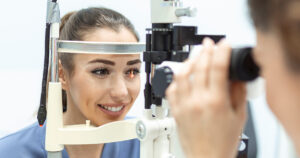
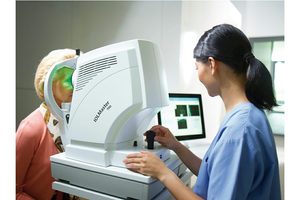
- Slit-lamp examination to view the cornea under magnification
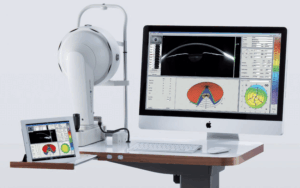
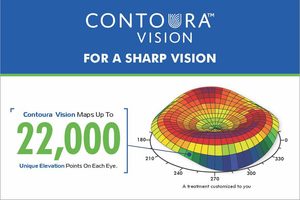
- Corneal topography to map its shape
- Tear film evaluation in cases of dryness
- Additional tests if infection or dystrophy is suspected
Accurate diagnosis helps determine the most appropriate treatment plan.
Treatment Options
Treatment depends on the type and severity of the condition.
Medications
Eye drops or ointments may be prescribed to treat infections, inflammation, or dryness.
Specialised Contact Lenses
In conditions like Keratoconus, specially designed lenses can help improve vision.
Corneal Cross-Linking
This procedure is used to strengthen the cornea and slow the progression of keratoconus.
Surgical Options
In advanced cases, procedures like corneal transplant may be required to restore clarity.
The aim is always to manage the condition early and avoid the need for more complex treatment.
When Should You See an Eye Specialist?
It is important to seek medical advice if:
- Symptoms last more than a few days
- There is sudden pain or vision loss
- Redness or light sensitivity increases
- You have a history of eye injury or infection
Timely consultation can help prevent complications.
Cornea Care at Tandon Eye Hospital
At Tandon Eye Hospital, corneal conditions are evaluated with attention to detail using modern diagnostic tools. The focus is on early detection, appropriate treatment, and regular follow-up to maintain corneal health.
Patients are guided not only on treatment but also on preventive care to avoid recurrence.
Final Thoughts
Corneal disorders may begin with mild discomfort, but they can affect vision if ignored. Paying attention to early signs and seeking timely care can make a significant difference.
Your eyes often give early warning signals – the key is to notice them and act in time.