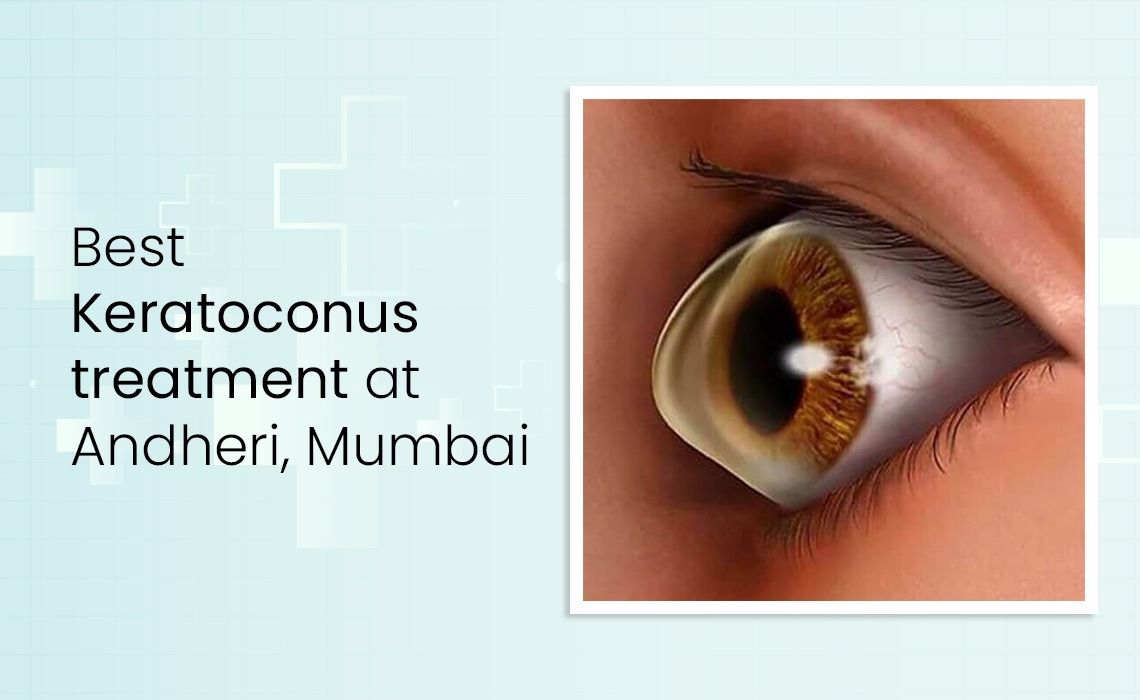

Keratoconus is a progressive eye condition where the cornea (the clear front surface of the eye) thins and bulges outward into a cone shape, causing distorted vision, irregular astigmatism, and sensitivity to light. It usually begins in the late teens to early 30s and can worsen over time, sometimes requiring advanced treatments like corneal cross-linking or transplant.
👁️ What Happens in Keratoconus
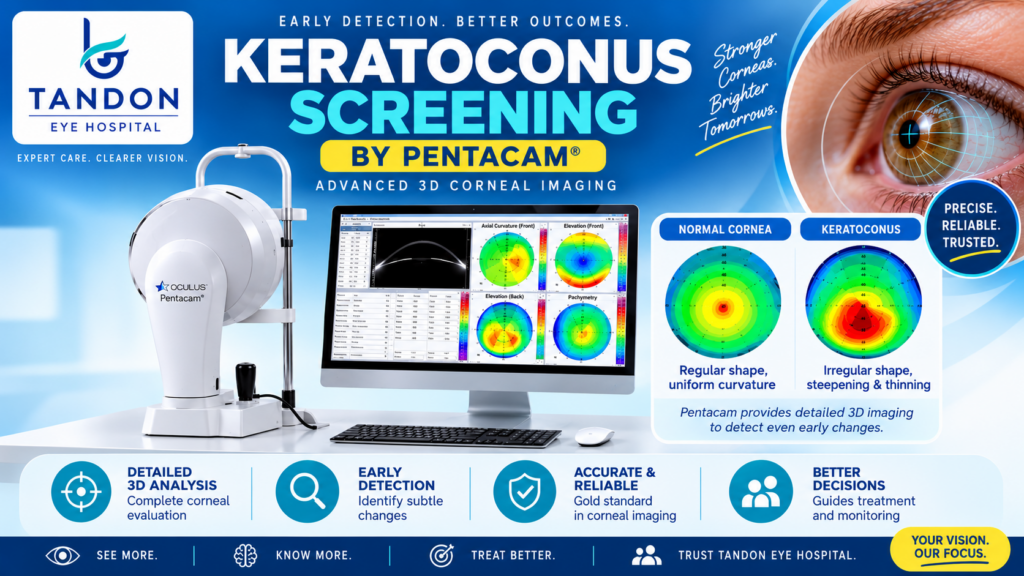
Normal cornea: Dome-shaped, smooth, helps focus light clearly.
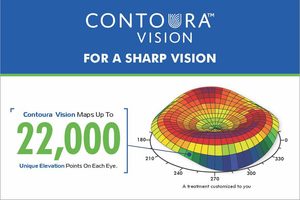
Keratoconic cornea: Thins and protrudes into a cone shape → irregular astigmatism and blurred vision.
Progression: Often bilateral but asymmetric; one eye may be more affected.
Typical Symptoms
Blurred or distorted vision – objects may appear smeared or wavy.
Frequent changes in eyeglass prescription – especially increasing astigmatism.
Halos and glare around lights – more noticeable at night.
Increased light sensitivity (photophobia) – discomfort in bright environments.
Monocular double vision – seeing two images from one eye due to irregular corneal curvature.
Sudden clouding of vision – can occur if the cornea swells (acute hydrops).
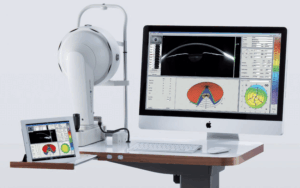
Investigation for Keratoconus
Consult our Cornea / Keratoconus Specialist : Dr. Aayush Tandon
Advanced Treatment for Keratoconus
C3R (Corneal Collagen Cross‑Linking): Disease‑modifying – strengthens cornea, halts progression. Best done early.
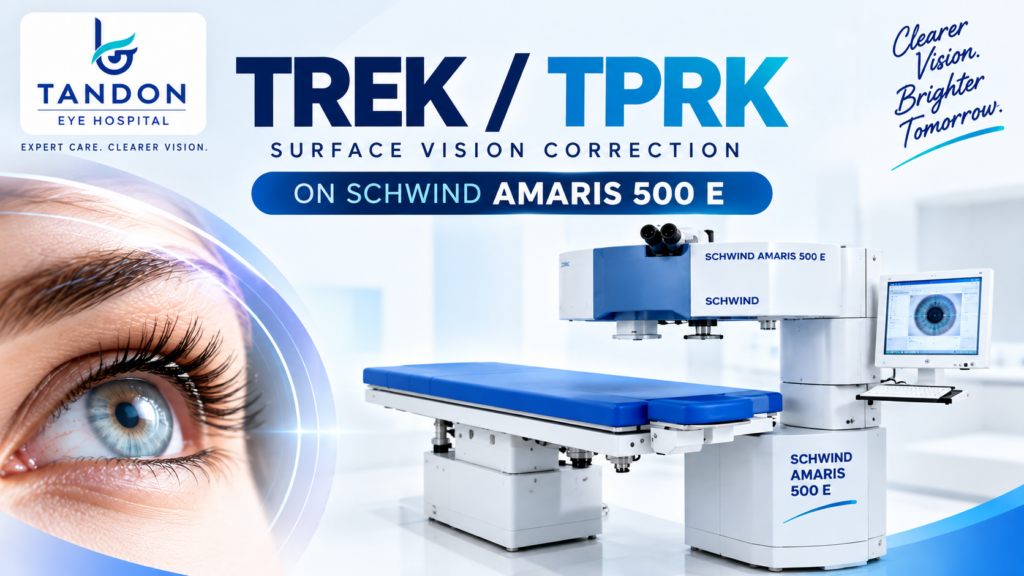
Topography‑guided PRK (Trek/TRPK): Vision‑enhancing – reshapes irregular cornea to reduce astigmatism. ⚠️ Must be combined with C3R to stabilize after reshaping.
TRPK + C3R: Combined approach – improves vision + prevents further thinning. Useful in mild/moderate keratoconus with irregular astigmatism.
RGP (Rigid Gas Permeable lenses): Optical rehabilitation – masks irregular corneal surface, improves vision in mild/moderate disease. Does not stop progression.
Scleral lenses: Advanced optical correction – vaults over cornea, provides smooth optical surface. Excellent for advanced keratoconus or RGP intolerance.