

Being told you are not suitable for LASIK does not mean you have to stay in glasses. ICL and PRK are other procedures that correct vision, and they work differently from LASIK. Which one suits you depends on measurements of your eyes, not on preference. This guide explains why some people are turned away from LASIK, how ICL and PRK work, and how the three compare.
ICL vs PRK vs LASIK at a Glance
| Feature | LASIK | PRK | ICL |
|---|---|---|---|
| Where the work happens | Cornea, under a thin flap | Surface of the cornea, no flap | A lens placed inside the eye |
| Removes corneal tissue? | Yes | Yes | No |
| Often considered when | Corneal thickness and shape are adequate | The cornea is thin or a flap is not preferred | The prescription is high or the cornea is thin to undergo Lasik / PRK |
| Early visual recovery | Often quick | Usually slower, over weeks | Often quick |
| Can it be reversed? | No | No | The lens can be removed or exchanged by a surgeon if needed. |
Why Some People Are Told They Are Not LASIK Candidates
LASIK needs enough healthy corneal tissue to create a flap and reshape what remains. You may be advised against it if you have:
- A thin cornea, or a cornea that is thin for your prescription.
- A very high prescription that would need more tissue removed than is safe.
- An irregular corneal shape, or signs suggesting keratoconus.
- Significant dry eye or another eye-surface condition.
- A prescription that is still changing.
These are found through screening tests, mainly corneal tomography and thickness measurement. Being rejected for LASIK is a safety decision, and it usually points to another option or to a need for treatment first.
How ICL Works
ICL stands for implantable collamer lens. The surgeon places a thin lens inside the eye, behind the iris and in front of your natural lens. The cornea is not reshaped. ICL is often considered for higher prescriptions and for people whose corneas are too thin for laser surgery.
Because ICL is surgery inside the eye, its risks differ from laser surgery. These include infection, raised eye pressure, and, over time, cataract formation. Your surgeon will check the space inside your eye and the cells lining your cornea before recommending it.
How PRK Works
In PRK, the thin surface layer of the cornea is removed and a laser reshapes the tissue beneath. No flap is created. The surface layer grows back over the following days. PRK is often considered when the cornea is thin or when a flap is not preferred.
How LASIK Works
The surgeon creates a thin flap on the cornea, folds it back, reshapes the tissue underneath with a laser, and lays the flap back in place. LASIK suits people whose corneas are thick enough and regular in shape. The SMILE vs LASIK post on this site explains the difference between those two in detail.
Recovery Compared
- LASIK: Vision often improves within a day or two, though dryness is common early on.
- PRK: The surface needs time to heal. Expect discomfort and blurred vision in the first days and gradual sharpening over 2–3 weeks.
- ICL: Vision often improves quickly, and you need regular check-ups afterwards to monitor eye pressure and the vault.
Whatever procedure you have, follow your surgeon’s prescribed eye drops and follow-up schedule. Protect your eyes from dust and pollution while they heal.
The Tests That Decide Which Option Suits You
A full assessment usually includes:
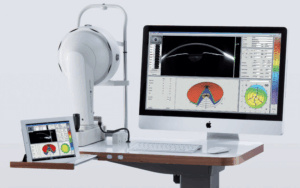
- Corneal tomography
- Corneal thickness measurement (pachymetry)
- A dry-eye check
- Anterior chamber measurement (space inside the eye)
- Full refraction
Bring your current glasses and any previous prescriptions to your evaluation.
- Home
- ICL vs LASIK vs PRK in Mumbai: What to Know If You’re Not a LASIK Candidate
FAQ
Frequently Asked Questions
Learn more about eye operation, treatment, and eye surgery in Mumbai, India.
No. Other procedures such as PRK or ICL may suit you, depending on your diagnostic tests. Some people may simply need treatment for an underlying eye condition first.
The lens is designed to stay in the eye permanently, but a surgeon can remove or exchange it if needed. Regular follow-up appointments are a standard part of having an ICL.
PRK removes the surface epithelial layer of the cornea, and that layer requires several days to regenerate. LASIK leaves the surface mostly intact beneath a protective corneal flap, allowing for much quicker early visual recovery.