Glaucoma is one of the leading causes of irreversible vision loss worldwide. What makes it challenging is that it often develops slowly and without noticeable symptoms in the early stages. Many people are unaware they have Glaucoma until vision loss has already begun.
The good part is that while glaucoma cannot be cured, it can be managed effectively. Regular monitoring plays a crucial role in protecting vision and slowing down the progression of the disease.
What Is Glaucoma?
Glaucoma is a group of eye conditions that damage the optic nerve, which is responsible for sending visual signals from the eye to the brain. This damage is often associated with increased pressure inside the eye, known as intraocular pressure (IOP).
However, glaucoma can also occur even when eye pressure is within the normal range. That’s why diagnosis and monitoring go beyond just measuring pressure.
Why Glaucoma Is Difficult to Detect Early
In most cases, especially in open-angle glaucoma, the condition develops gradually. Peripheral (side) vision is affected first, while central vision remains normal for a long time.
Because of this:
- Patients do not notice early changes
- Vision loss happens silently
- Damage that occurs cannot be reversed
This is why glaucoma is often called a “silent” condition.
The Role of Regular Monitoring
Once glaucoma is diagnosed, treatment is not a one-time process. It requires ongoing monitoring to ensure that the condition remains under control.
Regular follow-ups help doctors:
- Track eye pressure levels over time
- Monitor changes in the optic nerve
- Assess visual field (side vision)
- Adjust treatment if needed
Even if there are no symptoms, these check-ups are essential to prevent further damage.
Key Tests Used in Glaucoma Monitoring
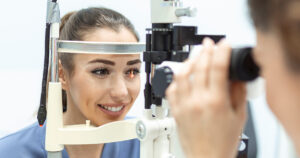
At Tandon Eye Hospital, glaucoma management involves a combination of tests to get a complete picture:
Eye Pressure Measurement
This checks intraocular pressure. While important, it is only one part of the evaluation.
Optic Nerve Examination
The doctor examines the optic nerve for any signs of damage or progression.
Visual Field Test
This test maps peripheral vision and helps detect any loss that the patient may not notice.
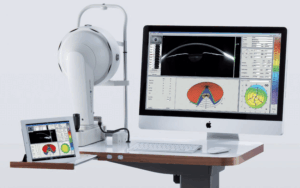
Optical Coherence Tomography (OCT)
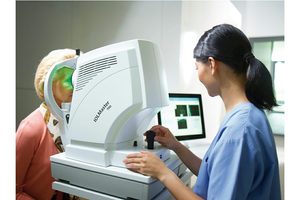
OCT provides detailed images of the optic nerve and retinal layers, helping in early detection and monitoring.
Regular testing helps detect even small changes before they affect daily vision.
Treatment Options for Glaucoma
The goal of treatment is to lower eye pressure and prevent further optic nerve damage.
Eye Drops
These are usually the first line of treatment. They help reduce fluid production or improve drainage inside the eye.
Laser Treatment
Laser procedures can help improve fluid outflow in certain types of glaucoma.
Surgery
If medications and laser treatment are not sufficient, surgery may be recommended to create a new drainage pathway.
Treatment is usually long-term and requires consistency.
Why Skipping Follow-Ups Is Risky
One of the most common issues in glaucoma management is irregular follow-up. Since patients may not feel any symptoms, they may assume everything is fine.
However:
- Eye pressure can fluctuate
- Damage can progress silently
- Delay in adjusting treatment can affect outcomes
Regular monitoring ensures that any changes are detected early and managed appropriately.
Who Is at Higher Risk?
Some people are more likely to develop glaucoma and should be more careful about regular screening:
- Individuals above 40 years
- Family history of glaucoma
- People with diabetes or high blood pressure
- Long-term steroid users
- Those with high eye pressure
Early screening in these groups can help detect glaucoma before significant damage occurs.
Glaucoma Care at Tandon Eye Hospital
At Tandon Eye Hospital, glaucoma management focuses on long-term care rather than short-term treatment. Patients undergo a detailed evaluation and are guided on the importance of regular follow-ups.
Treatment plans are adjusted based on individual response to preserve vision over time.
Final Thoughts
Glaucoma may not cause early symptoms, but its impact on vision can be serious if not managed properly. The key to protecting eyesight lies in regular monitoring and consistent treatment.
If you have been diagnosed with glaucoma or are at risk, staying regular with your eye check-ups is one of the most important steps you can take.
Vision once lost cannot be restored, but with timely care, further loss can often be prevented.