Cataracts are one of the most common age-related eye conditions, affecting millions of people worldwide. As we grow older, the natural lens inside the eye gradually becomes cloudy, making vision blurry and reducing the ability to perform everyday activities comfortably. While Cataract surgery has been a highly successful procedure for decades, recent advancements in lens technology are transforming what patients can expect after surgery.
Today, Cataract surgery is not just about removing a cloudy lens. It is increasingly becoming an opportunity to improve overall visual quality and, in many cases, reduce dependence on glasses. For people over 50, these innovations are helping deliver a more personalised vision experience than ever before.
How Cataract Surgery Has Evolved
Traditionally, cataract surgery involved removing the cloudy natural lens and replacing it with a basic artificial lens known as an intraocular lens (IOL). These lenses restored clear vision but typically corrected only one distance, usually far vision. Patients often continued to need glasses for reading or other close-up tasks.
Over the years, improvements in surgical techniques and lens design have expanded the options available. Modern cataract surgery is now highly precise, and lens selection has become an important part of achieving the best possible outcome for each patient.
What Are Advanced Intraocular Lenses?
An intraocular lens is a clear artificial lens implanted in the eye after the cataract is removed. Today’s advanced lenses are designed to address different visual needs and lifestyles.
Rather than offering a one-size-fits-all solution, modern lens technology allows surgeons to customise vision correction based on the patient’s requirements.
Monofocal Lenses: The Standard Option
Monofocal lenses remain one of the most commonly used options. They provide clear vision at a single distance, usually for activities such as driving or watching television.
Patients who choose monofocal lenses may still require glasses for reading, computer work, or other near-vision activities.
While simple and effective, monofocal lenses are no longer the only choice available.
Multifocal Lenses: Reducing Dependence on Glasses
Multifocal lenses are designed to provide vision at multiple distances. These lenses can help patients see more clearly for:
- Distance vision
- Intermediate activities such as computer use
- Near tasks such as reading
Many patients who receive multifocal lenses experience reduced dependence on glasses after surgery. However, suitability varies from person to person, and careful evaluation is important before selecting this option.
Toric Lenses for Astigmatism
Astigmatism occurs when the cornea has an irregular shape, causing blurred or distorted vision.
In the past, patients with astigmatism often needed glasses even after cataract surgery. Today, toric intraocular lenses can correct both cataracts and astigmatism during the same procedure.
This advancement has improved visual outcomes for many patients who previously relied heavily on corrective eyewear.
Enhanced Precision Through Modern Technology
The future of cataract surgery is not only about better lenses but also about greater surgical accuracy.
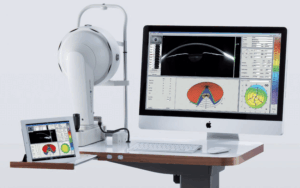
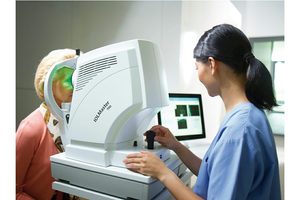
Modern diagnostic systems allow surgeons to perform detailed measurements of the eye before surgery. These measurements help determine:
- The most suitable lens type
- The correct lens power
- Individual visual requirements
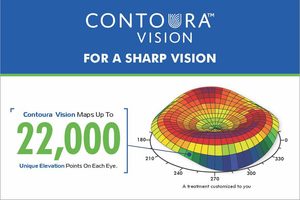
Advanced imaging technology has made treatment planning more personalised and predictable.
What Patients Over 50 Can Expect Today
Many people assume cataract surgery simply restores lost vision. While that remains the primary goal, modern lens technology can often provide additional benefits.
Patients may experience:
- Sharper visual quality
- Better contrast sensitivity
- Reduced dependence on glasses
- Improved ability to perform daily activities
However, expectations should always be realistic. The outcome depends on factors such as retinal health, corneal condition, existing eye diseases, and individual visual needs.
Choosing the Right Lens Is Important
There is no single lens that is best for everyone.
The ideal lens depends on:
- Lifestyle and daily activities
- Occupation
- Presence of astigmatism
- Overall eye health
- Personal expectations
A detailed discussion with an eye specialist helps ensure that the chosen lens aligns with the patient’s goals.
Cataract Care at Tandon Eye Hospital
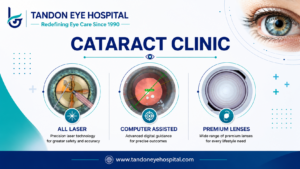
At Tandon Eye Hospital, cataract treatment begins with a thorough evaluation of the patient’s eye health and visual needs. Advanced diagnostic technology helps determine the most appropriate lens option for each individual.
The focus is not only on removing the cataract but also on helping patients achieve the best possible quality of vision after surgery through personalised treatment planning.
Final Thoughts
Cataract surgery has come a long way from being a simple vision-restoration procedure. Advances in intraocular lens technology are giving patients more choices and greater control over their visual outcomes.
For individuals over 50, these developments mean that cataract surgery can do more than remove a cloudy lens – it can help support an active, independent lifestyle with clearer and more comfortable vision.
As technology continues to evolve, the future of cataract care looks increasingly focused on precision, personalisation, and improving overall quality of life.