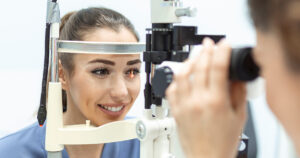
Most people visit an eye hospital when they experience blurred vision, eye discomfort, or difficulty reading. However, an eye examination can sometimes reveal much more than vision-related issues. In fact, the eyes are often called the “window to overall health” because they allow doctors to observe blood vessels, nerves, and tissues without surgery or invasive procedures.
Modern eye scans and retinal imaging technologies have made it possible for eye specialists to detect signs of certain health conditions long before noticeable symptoms appear. While eye scans are not a replacement for medical tests conducted by physicians, they can provide valuable clues about a person’s overall health.
Why the Eyes Are Unique
The retina, located at the back of the eye, contains tiny blood vessels and nerve tissue that can be examined directly. Unlike many other parts of the body, these structures can be viewed using advanced imaging equipment without any surgical intervention.
Changes in these blood vessels or nerves may sometimes indicate problems occurring elsewhere in the body. This is why comprehensive eye examinations can play an important role in preventive healthcare.
Diabetes and the Eyes
One of the most common examples is diabetes.
High blood sugar levels can damage the tiny blood vessels in the retina, leading to a condition known as Diabetic retinopathy. In some cases, retinal changes may be detected during an eye examination even before a person realises that diabetes is affecting their health.
Signs that eye specialists may observe include:
- Leaking blood vessels
- Retinal swelling
- Small retinal haemorrhages
- Abnormal blood vessel growth
Early detection allows patients to seek appropriate medical care and reduce the risk of vision loss.
High Blood Pressure Can Leave Clues in the Retina
The blood vessels in the retina can also reflect the effects of hypertension (high blood pressure).
Long-standing high blood pressure may cause:
- Narrowing of retinal blood vessels
- Changes in vessel structure
- Small retinal bleeds
- Swelling of the optic nerve in severe cases
These findings can alert patients to the need for further medical evaluation, especially if hypertension has not yet been diagnosed or is not adequately controlled.
What Eye Scans Can Reveal About Heart Health
The health of retinal blood vessels often mirrors the health of blood vessels elsewhere in the body.
Research has shown that certain retinal vascular changes may be associated with an increased risk of cardiovascular disease. While an eye scan alone cannot diagnose a heart condition, it may provide important information that encourages further assessment by a physician.
This is another reason why routine eye examinations can contribute to overall health awareness.
Neurological Conditions and Eye Examinations
The optic nerve connects the eye directly to the brain. Because of this connection, some neurological conditions can produce visible changes during an eye examination.
Eye specialists may identify signs that suggest:
- Increased pressure within the skull
- Optic nerve inflammation
- Certain neurological disorders affecting the vision pathways
In such situations, patients are referred for further investigation and specialist care.
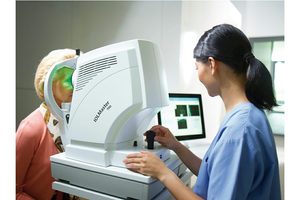
Modern Eye Imaging Technologies
Advances in diagnostic technology have significantly improved the ability to detect subtle changes in the eye.
Optical Coherence Tomography (OCT)
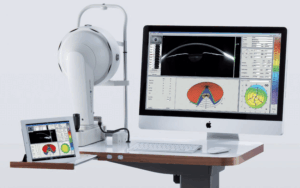
OCT provides highly detailed cross-sectional images of the retina and optic nerve. It helps identify structural changes that may not be visible during a routine examination.
Digital Retinal Imaging
High-resolution retinal photographs allow doctors to document and compare retinal health over time.
Fundus Photography
This technique captures detailed images of the back of the eye, helping detect changes related to diabetes, hypertension, and retinal disease.
These technologies support early diagnosis and ongoing monitoring.
Eye Scans Are Not a Replacement for Medical Check-Ups
It is important to understand that eye scans do not diagnose every medical condition. They are one part of a broader healthcare picture.
If an eye examination reveals unusual findings, additional tests may be needed through a physician, endocrinologist, cardiologist, or neurologist. However, the ability to identify warning signs early can be extremely valuable.
Who Should Have Regular Eye Examinations?
Routine eye examinations are particularly important for:
- Individuals above 40 years of age
- People with diabetes
- Individuals with high blood pressure
- Those with a family history of eye disease
- People experiencing vision changes
- Individuals with chronic health conditions
Even if vision appears normal, regular eye check-ups can help identify hidden concerns.
Advanced Eye Diagnostics at Tandon Eye Hospital
At Tandon Eye Hospital, comprehensive eye evaluations are supported by advanced imaging and diagnostic technologies. Detailed retinal examinations help assess not only eye health but also identify changes that may warrant further medical attention.
The goal is to detect problems early, protect vision, and contribute to a proactive approach to overall health.
Final Thoughts
An eye examination is about much more than checking whether you need glasses. The eyes can provide valuable insights into conditions such as diabetes, high blood pressure, vascular disease, and certain neurological disorders.
Modern eye scans have made it easier than ever to detect subtle changes early. While they do not replace medical testing, they can serve as an important first step in identifying health issues that might otherwise go unnoticed.
Sometimes, protecting your vision starts with understanding what your eyes are trying to tell you about the rest of your body.