As people grow older, vision changes are quite common. One of the most frequent reasons for reduced clarity after the age of 50 is cataract. It develops when the natural lens of the eye becomes cloudy, leading to blurred or dim vision.
Cataract is a gradual condition and often progresses slowly. While it is a natural part of ageing, it can start affecting daily activities like reading, driving, or recognising faces. The good part is that cataract surgery is a well-established and effective way to restore vision.
Why Cataracts Are Common After 50
The lens inside the eye is made mostly of water and proteins. With age, these proteins can begin to clump together, causing the lens to lose its transparency.
Other factors that may contribute include:
- Long-term exposure to sunlight
- Diabetes
- Smoking
- Certain medications
- Previous eye injuries
While cataracts are more common after 50, the timing and progression can vary from person to person.
Signs That Surgery May Be Needed
Cataract surgery is not based on age alone. It is usually recommended when vision problems begin to interfere with daily life.
Common symptoms include:
- Blurred or cloudy vision
- Difficulty seeing at night
- Increased sensitivity to light
- Halos around lights
- Frequent changes in the number of glasses
- Faded or dull colours
If these symptoms are affecting routine activities, it may be time to consider surgery.
What Happens During Cataract Surgery?
Modern cataract surgery is a short and precise procedure. It is usually performed as a day-care surgery, meaning patients can go home the same day.
During the procedure:
- The cloudy natural lens is removed
- A clear artificial lens (intraocular lens or IOL) is placed inside the eye
The surgery is done under local anaesthesia using eye drops, so patients remain awake but do not feel pain. The procedure typically takes about 15 to 30 minutes.
Types of Lenses Used
One important decision in cataract surgery is the choice of lens.
- Monofocal lenses provide clear vision at one distance (usually for distance vision)
- Multifocal or advanced lenses can help reduce dependence on glasses for both near and distance vision.
The choice depends on lifestyle, visual needs, and eye condition. A detailed discussion with the doctor helps in selecting the right option.
What Changes After 50?
Patients above 50 may have additional factors to consider:
- Other eye conditions, like glaucoma or retinal problems, may be present
- Healing may be slightly slower compared to younger individuals
- Careful pre-surgery evaluation becomes more important
However, age alone does not make cataract surgery difficult. With proper planning, outcomes are generally good.
Recovery and Aftercare
Recovery after cataract surgery is usually smooth, but proper care is important.
After surgery:
- Vision may be slightly blurred initially, but it improves within a few days
- Eye drops are prescribed to prevent infection and reduce inflammation
- Heavy lifting and rubbing the eye should be avoided
- Follow-up visits are necessary to monitor healing
Most patients can return to normal activities within a short period, as advised by the doctor.
Is Cataract Surgery Safe?
Cataract surgery is one of the most commonly performed eye procedures worldwide. With modern techniques, it has a high success rate.
However, like any surgery, it requires proper evaluation, skilled execution, and careful follow-up. Outcomes depend on overall eye health and adherence to post-surgery care.
Cataract Care at Tandon Eye Hospital
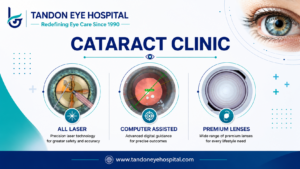
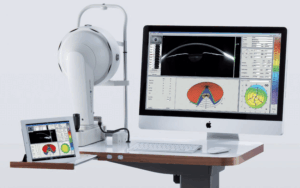
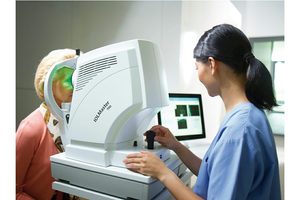
At Tandon Eye Hospital, cataract patients undergo a detailed pre-surgery assessment to check overall eye health and choose the most suitable treatment plan. The focus is on precision, patient comfort, and clear communication about expectations.
Each patient is guided through the process – from diagnosis to recovery – with attention to safety and long-term vision quality.
Conclusion
Cataract after 50 is common, but it does not have to limit your daily life. When vision starts affecting routine activities, cataract surgery can help restore clarity.
The key is not to delay evaluation. A timely consultation can help you understand the stage of cataract and plan treatment at the right time.
Clear vision is not just about seeing better – it’s about maintaining independence and quality of life as you age.