
Diabetic retinopathy is among the leading causes of vision loss in a patient with diabetes. This eye condition arises when high blood sugar damages the blood vessels within the retina, which is the light-sensitive tissue at the back of the eye. As serious as the condition can be, the alarming fact is that most patients might suffer from diabetic retinopathy, as it is often undiagnosed and unrecognized, especially when it is still in the early stages.
At Tandon Eye Hospital, we believe that it is important to spread awareness regarding this silent yet significant eye risk. Here’s everything you need to know about diabetic retinopathy and why routine eye care is important for anyone with diabetes.
What is Diabetic Retinopathy?
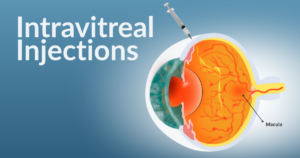
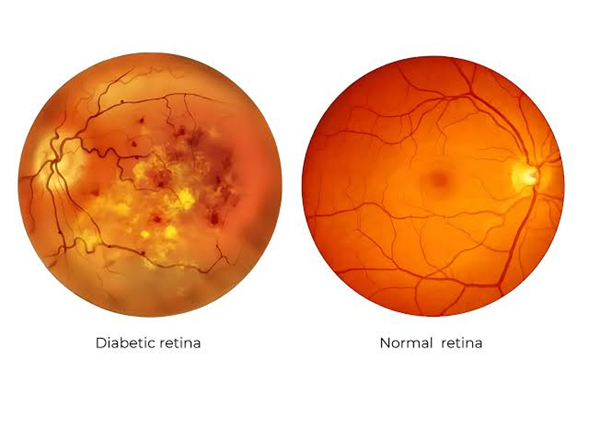
Diabetic retinopathy is an eye disease resulting from a long duration of high blood sugar, which damages and weakens the small blood vessels in the retina. These weakened vessels of the retina, eventually ruptured, which may lead to leakage or swelling of fluid, affecting the retina’s normal working process. In the later stages, abnormal blood vessels grow over the retina and severely impair the patient’s vision, sometimes resulting in permanent blindness.
Can You Have Diabetic Retinopathy Without Symptoms?
Yes, it is a common fact that diabetic retinopathy develops asymptomatic in the early stages. So, it’s sometimes called the “silent” disease. The early stage has no vision disturbances, so it goes unnoticed.
Later stages may exhibit some of these symptoms:
● Blurry vision
● Obstacles in reading or identifying far objects
● Dark spots or floaters
● Cobweb-like streaks
● Poor vision at night
If left untreated, diabetic retinopathy can lead to serious complications, such as macular edema, retinal detachment, and even blindness.