A burning sensation, constant irritation, or the feeling that something is stuck in the eye – many people experience these symptoms but ignore them. Often, these signs point to a common condition known as dry eye syndrome.
Dry eyes are not just occasional dryness. It is a condition where the eyes either do not produce enough tears or the quality of tears is poor, leading to inadequate lubrication. When tears fail to protect the surface of the eye properly, discomfort and visual disturbances can occur.
Why Are Tears Important?
Tears are not just water. They are made up of three layers – oil, water and mucus – each playing a role in keeping the eye surface smooth and healthy. A stable tear film helps maintain clear vision and protects against infection.
When any part of this tear system is disrupted, dry eye symptoms may develop.
Common Causes of Dry Eye
Dry eye can occur due to multiple reasons, and in many cases, more than one factor is involved.
1. Increased Screen Time
Prolonged use of computers and mobile phones reduces blinking. Less blinking means tears evaporate faster, leading to dryness.
2. Ageing
Tear production tends to decrease with age, especially after 40.
3. Environmental Factors
Air conditioning, pollution, smoke, and windy conditions can speed up tear evaporation.
4. Hormonal Changes
Hormonal fluctuations, especially in women, may contribute to dry eye symptoms.
5. Certain Medications
Some medicines, including antihistamines and blood pressure medications, may reduce tear production.
6. Meibomian Gland Dysfunction
These glands produce the oily layer of tears. If they are blocked or not functioning properly, tears evaporate quickly.
Symptoms of Dry Eye
Dry eye symptoms can vary in intensity. Common complaints include:
- Burning or stinging sensation
- Redness
- Gritty or sandy feeling
- Blurred vision that improves after blinking
- Sensitivity to light
- Watery eyes (a reflex response to dryness)
Symptoms may worsen toward the end of the day or after long screen use.
Modern Diagnosis of Dry Eye
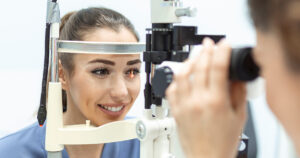
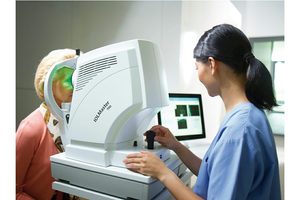
Dry eye is diagnosed through a detailed eye examination. At Tandon Eye Hospital, assessment may include:
- Evaluation of tear film stability
- Tear break-up time measurement
- Examination of the eyelid glands
- Ocular surface staining tests
These tests help identify whether the issue is due to reduced tear production or increased evaporation. Proper diagnosis is important because treatment depends on the underlying cause.
Treatment Options for Dry Eye
Treatment is personalised based on severity and cause.
Artificial Tears
Lubricating eye drops are commonly prescribed. They help relieve dryness and improve comfort.
Lifestyle Changes
Simple measures such as following the 20-20-20 rule (looking 20 feet away for 20 seconds every 20 minutes), increasing blinking, and reducing screen glare can help.
Warm Compress and Lid Hygiene
These help improve oil gland function, especially in evaporative dry eyes.
Prescription Eye Drops
In moderate to severe cases, anti-inflammatory eye drops may be recommended to reduce surface inflammation.
Tear Duct Plugs
In selected cases, tiny plugs may be placed to reduce tear drainage and keep the eyes moist for longer.
Dry eye is often a chronic condition, meaning it may require long-term management rather than a one-time treatment.
When Should You See a Specialist?
Consult an eye doctor if:
- Symptoms persist despite using over-the-counter drops
- You experience frequent redness or blurred vision
- There is discomfort affecting daily work
- You rely heavily on screens for long hours
Early evaluation can prevent complications such as surface damage or infection.
Dry Eye Care at Tandon Eye Hospital
At Tandon Eye Hospital, patients undergo structured evaluation to determine the type and severity of dry eye. The focus is on accurate diagnosis and personalised treatment plans rather than temporary relief alone.
Conclusion
Dry eye syndrome is common, especially in urban environments and among people with high screen exposure. While it may seem minor at first, persistent dryness can affect comfort and vision quality.
With proper diagnosis, lifestyle adjustments and appropriate treatment, most patients can manage symptoms effectively and maintain good eye health.