
LASIK has become one of the most popular options for people who want to reduce their dependence on glasses or contact lenses. The idea of waking up with clear vision is appealing, and for many, LASIK delivers good results.
But before going ahead, it’s important to look beyond the basics. Many patients focus only on cost or quick recovery, while missing out on questions that actually matter in the long run.
Here are seven important things you should ask – but often don’t.
1. Am I a Suitable Candidate?
Not everyone is the right fit for LASIK. Factors like corneal thickness, eye power stability, dry eye condition, and overall eye health play a big role.
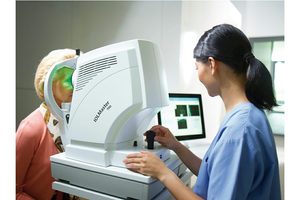
A detailed pre-surgery evaluation is essential. In some cases, alternatives like PRK or other vision correction procedures may be more suitable.
2. Is My Eye Power Stable?
LASIK works best when your vision number has remained stable for at least a year. If your power is still changing, doing the surgery too early may lead to less predictable results.
This is especially important for younger patients whose vision may still be evolving.
3. Do I Have Dry Eye?
Many people already have mild dry eyes without realizing it. Since LASIK can temporarily increase dryness, this needs to be checked in advance.
If a dry eye is present, doctors may treat it first before planning the surgery. Ignoring this step can lead to discomfort after the procedure.
4. What Technology Is Being Used?
Not all LASIK procedures are the same. There are different techniques and technologies available, including bladeless or femtosecond LASIK.
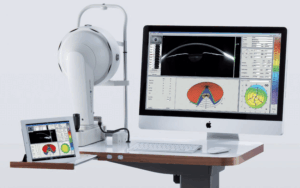
Understanding what technology is being used – and why – helps set the right expectations. Advanced systems may improve precision, but suitability still depends on your individual eye condition.
5. What Results Can I Realistically Expect?
LASIK can significantly reduce dependence on glasses, but it may not guarantee perfect vision in every case. Some patients may still need glasses for certain tasks, especially reading later in life.
It’s important to have a clear and realistic understanding of outcomes instead of assuming a “perfect vision” promise.
6. What Are the Possible Side Effects?
LASIK is generally safe, but like any medical procedure, it comes with some risks.
Common temporary effects include:
- Dryness
- Glare or halos at night
- Mild discomfort
These usually improve over time. However, discussing possible side effects in advance helps you feel more prepared rather than surprised later.
7. What Does the Recovery Process Look Like?
Recovery after LASIK is usually quick, but that doesn’t mean you can ignore precautions.
You may need to:
- Avoid rubbing your eyes
- Use prescribed eye drops regularly
- Limit screen time for a few days
- Attend follow-up visits
Understanding the recovery process helps ensure better results and smoother healing.
Why These Questions Matter
Many patients walk into LASIK with excitement but limited information. Asking the right questions helps you make a confident and informed decision.
It’s not about doubting the procedure – it’s about understanding what’s right for your eyes.
LASIK Evaluation at Tandon Eye Hospital
At Tandon Eye Hospital, LASIK is not treated as a one-size-fits-all solution. Every patient goes through a detailed screening process to assess suitability, eye health, and lifestyle needs.
The goal is to recommend the safest and most appropriate option, whether it’s LASIK Surgery in Mumbai or an alternative procedure.
Final Thoughts
LASIK surgery can be life-changing for the right candidate, but it should never be a rushed decision. Taking time to ask the right questions can make a big difference in both results and overall experience.
Clear vision is important, but so is making an informed choice. A proper evaluation and honest discussion with your eye specialist will help you move forward with confidence.