For a lot of folks eye surgery can seem uncomfortable or even kinda scary. Questions like “Will it hurt?” or “What actually happens in the operation room?” are super common.
The good news is that eye surgeries today are more advanced, precise and comfortable than most people think. Whether it’s cataract surgery, LASIK or procedures for the retina, modern techniques are all about safety, accuracy and getting you back on your feet faster.
Let’s take a look at what really goes on. From getting ready to feeling better.
Step 1: Detailed Eye Evaluation
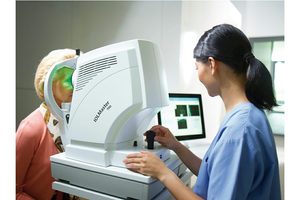
Before any surgery is planned, a complete eye check-up is done. This is one of the most important steps.
Doctors assess:
- Vision number (power)
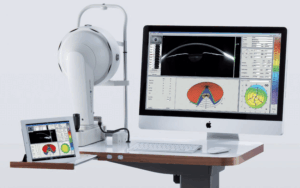
- Corneal thickness and shape
- Eye pressure
- Retina health
- Overall eye condition
This helps determine whether surgery is required and which type will be most suitable. Not every patient needs the same approach – treatment is always personalised.
Step 2: Understanding the Procedure
Once the evaluation is complete, the doctor explains the procedure in simple terms. This includes:
- What the surgery will involve
- Expected results
- Possible risks (if any)
- Post-surgery care
Patients are encouraged to ask questions. Being informed helps reduce anxiety and builds confidence before the procedure.
Step 3: Preparing for Surgery Day
Most modern eye surgeries are performed as day-care procedures, meaning you can go home the same day.
On the day of surgery:
- You are asked to avoid food for a few hours (in some cases)
- Eye drops may be given to prepare the eye
- The area around the eye is cleaned to maintain hygiene
Local anaesthesia (usually in the form of eye drops) is used, so you remain awake but do not feel pain.
Step 4: Inside the Operation Room
This is the part many people are curious about.
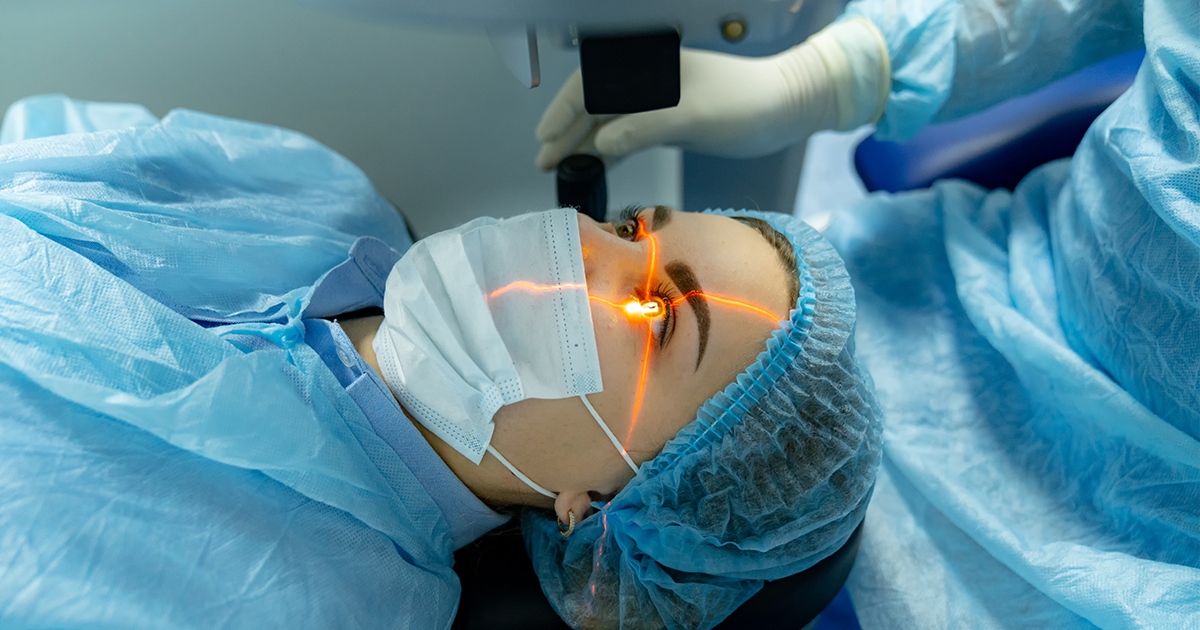
Modern eye surgeries are typically quick and highly controlled. Depending on the procedure, it may take anywhere between 10 to 30 minutes.
During surgery:
- You lie down comfortably
- A device may be used to keep the eye gently open
- You may see light or movement, but you won’t feel pain
Advanced technology, including microscopes and laser systems, allows surgeons to perform very precise corrections.
For example:
- In cataract surgery, the cloudy lens is removed and replaced with an artificial lens
- In LASIK, the cornea is reshaped to correct vision
- In retina procedures, delicate instruments are used to treat internal eye conditions
The focus is always on precision and minimal disturbance to surrounding tissues.
Step 5: Immediately After Surgery
After the procedure, you are moved to a recovery area for a short time.
You may notice:
- Mild blurring
- Slight discomfort or watering
- Sensitivity to light
These are usually temporary and improve over time.
Before discharge, the doctor will give instructions on:
- Eye drops to use
- Activities to avoid
- Follow-up visit schedule
Step 6: Recovery and Healing
Recovery depends on the type of surgery, but many patients notice improvement in vision within a few days.
During recovery:
- Avoid rubbing your eyes
- Use prescribed drops regularly
- Limit dust exposure
- Follow doctor’s advice on screen use
Regular follow-ups are important to ensure proper healing.
Is Eye Surgery Safe?
Modern eye surgeries have a high success rate when performed after proper evaluation. Technology has made procedures more predictable and recovery smoother.
However, like any medical treatment, outcomes depend on individual eye condition, overall health, and following post-surgery care properly.
Eye Surgery at Tandon Eye Hospital
At Tandon Eye Hospital, the approach to eye surgery focuses on detailed diagnosis, patient education, and the use of advanced techniques. Each step – from evaluation to recovery – is handled with care to ensure comfort and clarity for the patient.
The aim is not just to perform the surgery, but to guide patients through the entire process with confidence.
Final Thoughts
Eye surgery is no longer something to fear. With modern advancements, it has become a safe and effective way to restore or improve vision.
Understanding what happens during the process can remove unnecessary fear and help you make informed decisions. If you’re experiencing vision problems, a proper consultation can help you explore the right options.
Clear vision often begins with clarity of information – and taking that first step matters.