A generation ago, children spent most of their free time playing outdoors, riding bicycles, and participating in physical activities. Today, the picture looks very different. Smartphones, tablets, computers, online classes, and digital entertainment have become a regular part of childhood. While technology offers many benefits, eye specialists around the world are noticing a concerning trend: a growing number of children are developing vision problems, particularly myopia, at a younger age.
Myopia, commonly known as nearsightedness, is becoming increasingly common among school-going children. Experts believe that changing lifestyles, increased screen exposure, and reduced outdoor activity are among the major reasons behind this rise.
What Is Myopia?
Myopia is a condition where a child can see nearby objects clearly but struggles to see distant objects. For example, a child may be able to read a book comfortably but have difficulty seeing the classroom board or distant signs.
This happens when the eye grows longer than normal or when the cornea bends light too much, causing images to focus in front of the retina instead of directly on it.
Myopia often begins during school years and can gradually increase as the child grows.
Why Is Myopia Becoming More Common?
Researchers have observed a significant increase in childhood myopia over the last two decades. While genetics plays a role, environmental factors are also contributing to this trend.
Increased Screen Time
Children today spend hours looking at phones, tablets, computers, and televisions. Continuous focus on close-up screens places additional visual demands on the eyes.
While screens themselves do not directly cause myopia, prolonged near work is considered a contributing factor in its development and progression.
Reduced Outdoor Activity
One of the strongest findings from recent studies is the protective role of outdoor time.
Children who spend more time outdoors are generally less likely to develop myopia compared to those who spend most of their time indoors. Natural daylight and distance viewing appear to support healthy visual development.
Unfortunately, many children now spend significantly less time outdoors than previous generations.
Academic and Digital Demands
Online learning, homework, reading, and digital assignments have increased the amount of homework children perform every day. Combined with recreational screen use, this creates long periods of continuous visual effort.
Common Signs Parents Should Watch For
Children may not always realise that their vision is changing. In many cases, the signs are subtle.
Parents and teachers should watch for:
- Squinting while looking at distant objects
- Sitting very close to the television
- Holding books or devices too close to the face
- Frequent headaches
- Eye rubbing
- Difficulty seeing the classroom board
- Reduced interest in reading or school activities
If any of these signs are noticed, an eye examination should be scheduled.
Beyond Myopia: Other Screen-Related Eye Problems
The rise in screen use is also contributing to other eye-related complaints among children.
Digital Eye Strain
Long hours of screen use can cause:
- Eye fatigue
- Dryness
- Blurred vision
- Headaches
Reduced Blinking
Children often blink less while using digital devices, which can lead to discomfort and dry eye symptoms.
Sleep Disturbances
Using screens late at night may affect sleep patterns, which can indirectly impact overall eye comfort and health.
Can Myopia Be Controlled?
While myopia cannot always be prevented completely, early detection and management can help slow its progression.
Depending on the child’s condition, treatment options may include:
- Prescription glasses
- Contact lenses in selected cases
- Myopia management strategies recommended by eye specialists
- Regular monitoring of eye growth and vision changes
The earlier myopia is detected, the better the opportunity to manage it effectively.
What Parents Can Do
Simple lifestyle habits can help support healthy vision development.
Encourage Outdoor Play
Experts recommend regular outdoor activity as part of a child’s daily routine.
Limit Unnecessary Screen Time
Screens are often unavoidable for education, but recreational screen use should be balanced with other activities.
Follow Regular Breaks
Children should take frequent breaks during reading, studying, and screen use. The 20-20-20 rule can be helpful: every 20 minutes, look at something 20 feet away for 20 seconds.
Schedule Regular Eye Check-Ups
Routine eye examinations are one of the most effective ways to detect vision problems early.
Pediatric Eye Care at Tandon Eye Hospital
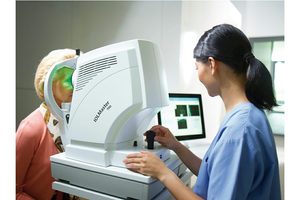
At Tandon Eye Hospital, pediatric eye care focuses on early diagnosis, vision assessment, and long-term monitoring of children’s eye health. Comprehensive eye examinations help identify refractive errors, myopia progression, and other eye conditions before they begin affecting academic performance and daily life.
Parents are also guided on healthy visual habits that support a child’s overall eye development.
Final Thoughts
The rise in myopia among children reflects the changing way they learn, play, and interact with the world. While technology is now an unavoidable part of modern life, maintaining a balance between screen use and healthy visual habits is essential.
Early eye examinations, increased outdoor activity, and timely intervention can make a significant difference in protecting a child’s vision. As pediatric eye problems continue to rise, awareness and prevention have become more important than ever.
Healthy eyesight during childhood lays the foundation for a lifetime of better vision.