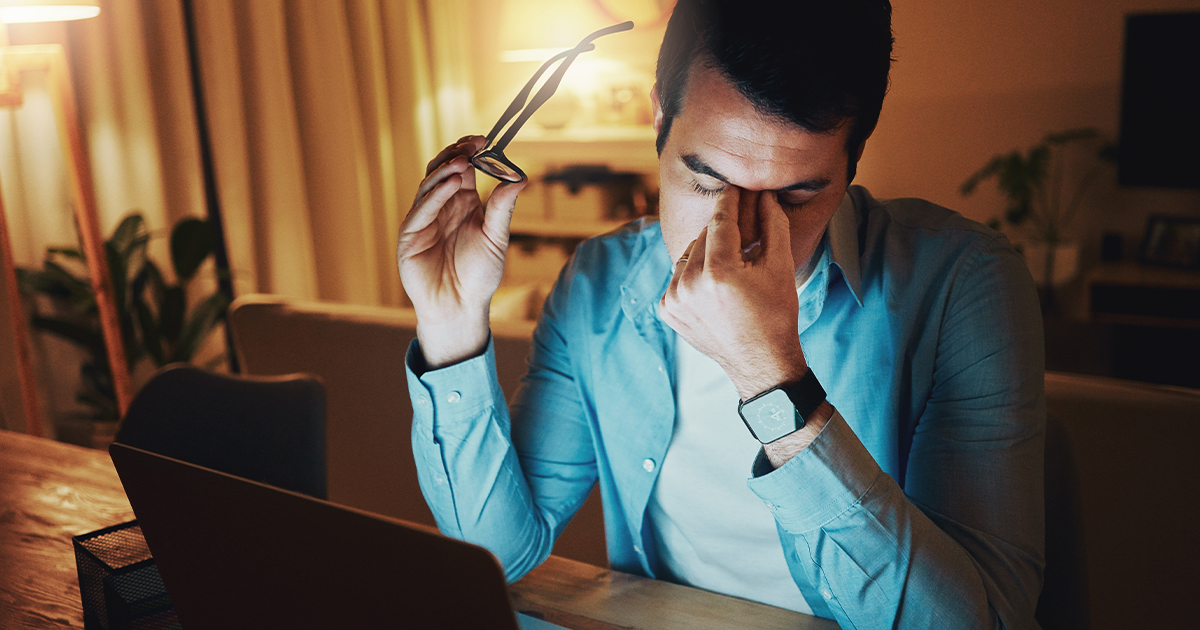
From work to entertainment most of our activities now involve screens. Whether its a laptop, mobile phone or tablet we spend a lot of time staring at screens. Technology has made things easier. It’s also brought new problems for our eye health.
Many people get eye discomfort. They just ignore it thinking it will go away. The truth is, using screens for a time can slowly hurt your eyes over time. Screen time is a part of life and eye health is a concern. We use laptops, mobile phones or tablets every day. Prolonged screen use can affect your eyes. Many people experience eye discomfort due to screen time. They assume it’s temporary. It can quietly affect your eyes.
What Happens to Your Eyes During Screen Use?
When you stare at a screen for a time your eyes get really tired. This is different from reading a book because screens make your eyes work harder to focus and deal with the light and contrast.
One big difference is that you do not blink much as you usually do. Normally you blink, around 15 to 20 times in one minute.. When you are looking at a screen you might only blink half that much or even less. When you do not blink enough your eyes dry out faster. This can make them feel irritated and uncomfortable. The screen makes your eyes work harder. This is why you need to take care of your eyes when you use a screen for a long time.
Common Symptoms of Excessive Screen Time
A lot of people get symptoms of something called eye strain. These symptoms may include:
- Dry or irritated eyes
- Blurred vision
- Headaches
- Eye fatigue
- Difficulty focusing
- Neck and shoulder pain
These symptoms get worse when you stare at a screen for a time, without taking a break. They might get a little better when you rest your eyes.
Is Screen Time Causing Permanent Damage?
In cases using screens does not cause permanent damage to your eyes.. It can make your eyes feel uncomfortable for a long time and affect how much work you get done. If you ignore the discomfort you might experience eyes and strain for a long time, which can hurt your eye health.
For kids spending much time in front of screens can also make nearsightedness worse. This is especially true if they do not spend time outside.
Why Blue Light Gets Attention
Digital screens give off light and people talk about it a lot. Normally looking at screens does not cause problems with your eyes but it can make your eyes feel bad and it can also mess with your sleep if you use Digital screens late at night.
If you use digital screens less before you go to bed it can help you sleep better.
What You Can Do to Protect Your Eyes
The good news is that small changes can make a noticeable difference.
Follow the 20-20-20 Rule
Every 20 minutes, look at something 20 feet away for at least 20 seconds. This helps relax the focusing muscles of the eyes.
Blink More Often
Make a conscious effort to blink regularly, especially during long work sessions.
Adjust Your Screen Setup
- Keep the screen at eye level or slightly below
- Maintain a comfortable viewing distance (about an arm’s length)
- Reduce glare by adjusting brightness and using proper lighting
Take Regular Breaks
Avoid continuous screen use for hours. Short breaks help reduce strain.
Use Artificial Tears if Needed
Lubricating eye drops may help relieve dryness, especially for people who spend long hours on screens.
Limit Screen Time Before Sleep
Reducing screen use at least one hour before bedtime can help improve sleep and reduce eye fatigue.
Special Care for Children
Children today are exposed to screens at a very early age. It is important to:
- Limit recreational screen time
- Encourage outdoor activities
- Ensure proper lighting while studying
- Schedule regular eye check-ups
Developing healthy habits early can support long-term eye health.
When Should You See an Eye Specialist?
Consult an eye doctor if:
- Eye strain is frequent or worsening
- Vision remains blurred even after rest
- You experience persistent dryness or redness
- Headaches are linked to screen use
An eye examination can help rule out refractive errors or other underlying issues.
Eye Care at Tandon Eye Hospital
At Tandon Eye Hospital, patients with digital eye strain and dry eye symptoms are evaluated with a structured approach. The focus is on identifying the cause, correcting vision if needed, and guiding patients on practical steps to reduce strain in daily life.
Final Thoughts
Screen use is a part of modern life, and avoiding it completely is not practical. However, ignoring its impact on eye health is not a good idea either. Simple habits like taking breaks, blinking more often, and maintaining proper screen posture can go a long way in keeping your eyes comfortable.
Taking care of your eyes today can help prevent unnecessary discomfort in the long run.