Whether you’re experiencing blurred vision, eye strain, or simply due for a routine eye check-up, finding the right eye specialist is essential to maintaining healthy vision. With so many clinics and doctors around, especially in urban areas, the question isn’t just “Where?”—it’s “Who can I trust with my eyes?”
In this guide, we’ll walk you through how to find a trusted eye specialist near you, what to look for in a qualified doctor, and how to make the most of your visit.
Why Seeing an Eye Specialist Matters
Your eyes are not just windows to the world—they’re also windows to your health. An experienced ophthalmologist or optometrist can detect more than just vision problems. Many serious conditions like glaucoma, diabetic retinopathy, cataracts, and macular degeneration often show no early symptoms but can lead to permanent vision loss if left untreated.
Early detection and expert care are key to protecting your eyesight for life.
How to Find the Best Eye Specialist Near You
1. Start with Online Research
A quick search for “best eye specialist near me” will give you a list of local clinics. But don’t stop at the first result—look at:
- Google ratings and reviews
- Doctor profiles on platforms like Practo, Justdial, or ClinicSpots
- Clinic websites for credentials, services, and technologies offered
2. Check Credentials & Experience
A trusted eye specialist should:
- Hold a medical degree in ophthalmology (MBBS + MS/DO)
- Have experience treating a wide range of eye conditions
- Be affiliated with reputed hospitals or certified boards
Don’t hesitate to ask about their specialization—some doctors focus on retina, cornea, LASIK, pediatric care, or cataract surgeries.
3. Seek Personal Recommendations
Word of mouth is often the most reliable. Ask friends, family, or colleagues who’ve had positive experiences with local eye specialists. Real stories can guide you better than ads.
4. Visit the Clinic Before Committing
A clinic’s environment says a lot. Is it clean, well-equipped, and patient-friendly? Are the staff courteous and helpful? Is the equipment up to date?
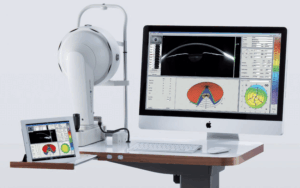
A modern clinic with trained staff and digital diagnostic tools enhances both comfort and accuracy.
5. Assess Communication and Care
The right eye specialist should be willing to:
- Listen to your concerns
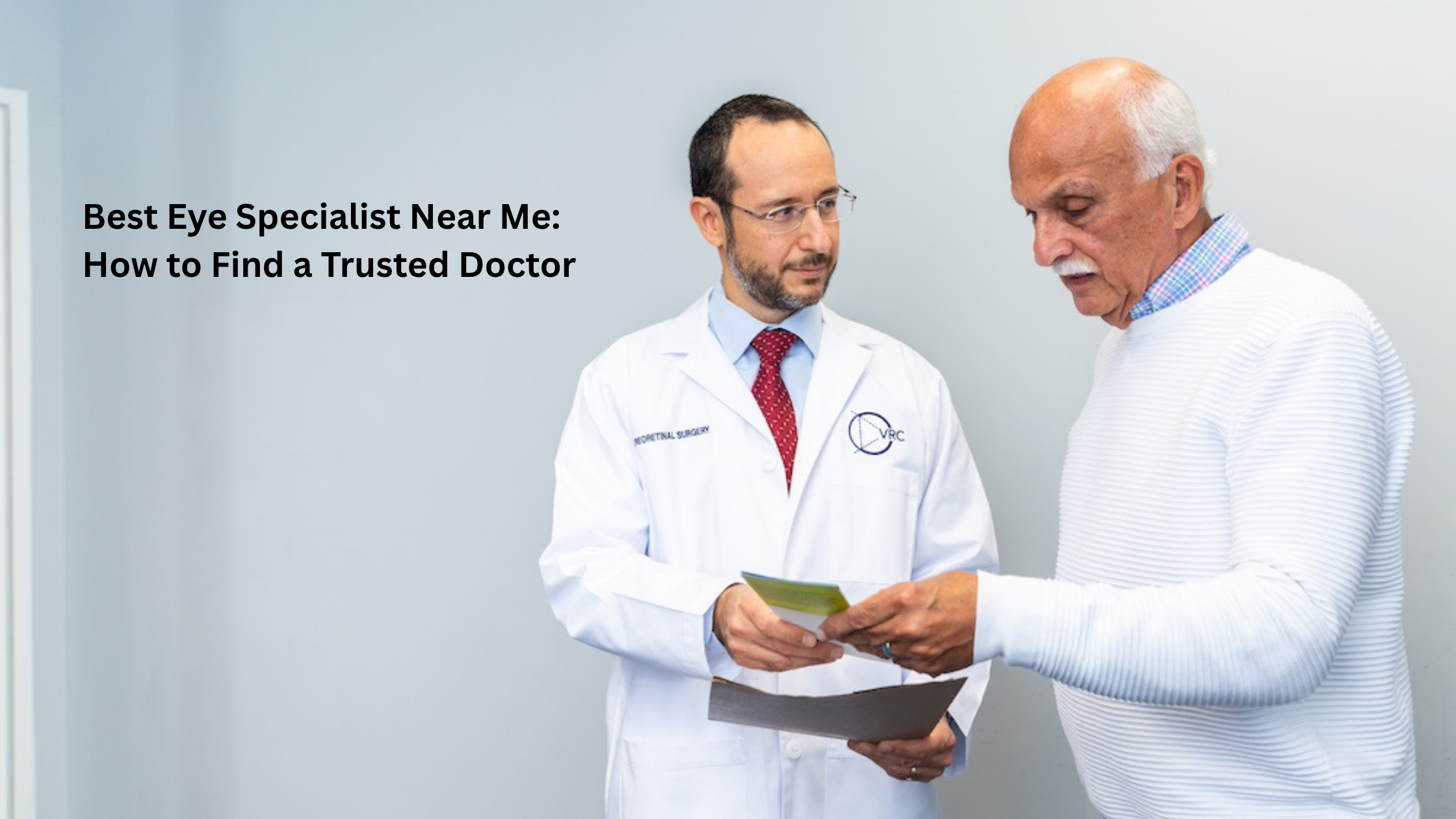
- Explain your diagnosis and treatment options clearly
- Provide a customized care plan
Good doctors build trust—not just prescriptions.
When Should You See an Eye Specialist?
You don’t need to wait for symptoms to visit an ophthalmologist. Schedule an appointment if you:
- Experience blurred or double vision
- Suffer from frequent headaches or eye strain
- Notice floaters, flashes, or light sensitivity
- Have underlying conditions like diabetes or high blood pressure
- Haven’t had an eye exam in over a year
What to Expect During Your Visit
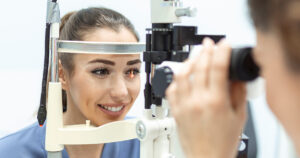
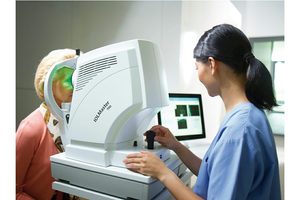
A typical eye specialist appointment may include:
- Vision and refraction tests
- Intraocular pressure checks (for glaucoma)
- Retina or cornea evaluations
- Eye movement and coordination assessments
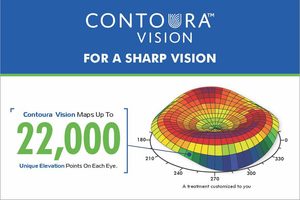
If needed, your doctor may suggest imaging scans or specialized tests for accurate diagnosis.
Final Thought: Your Vision Deserves Expert Attention
Choosing the right eye specialist is not just about convenience—it’s about long-term care, prevention, and trust. Whether you’re managing an existing condition or seeking preventive care, having a skilled eye doctor by your side ensures peace of mind and clearer vision for the future.
Book Your Eye Consultation Today
Looking for a trusted eye clinic near you?
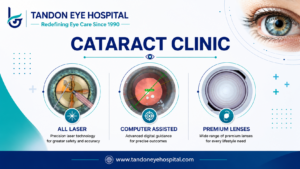
Tandon Eye Hospital offers advanced diagnostics, personalized care, and experienced specialists committed to your vision health.
Call now or visit our website to schedule your comprehensive eye check-up.