Diabetes affects more than just blood sugar—it can seriously impact your vision. Diabetic retinopathy, in which the retina’s small blood vessels are harmed by high blood sugar, is among the most frequent side effects.Left untreated, it can cause bleeding, swelling, and even permanent blindness.
The good news? Advances in laser treatments have made it possible to preserve vision, slow disease progression, and protect eye health for people living with diabetes.
Why Laser Treatment for Diabetic Retinopathy?
Laser therapy has been used for decades to manage diabetic eye disease, but today’s techniques are far more precise, less invasive, and more effective. The main goals of laser treatment are to:
- Seal or shrink abnormal blood vessels.
- Reduce retinal swelling (macular edema).
- Prevent further vision loss.
Types of Laser Treatments for Diabetic Retinopathy
1. Focal Laser (Photocoagulation)
- What it does: Targets specific leaking blood vessels in the retina.
- Best for: Patients with diabetic macular edema.
- Benefit: Helps reduce swelling and preserves central vision.
2. Panretinal Photocoagulation (PRP)
- What it does: Applies laser spots across the peripheral retina to shrink abnormal blood vessels.
- Best for: Proliferative diabetic retinopathy, where fragile new vessels form and risk bleeding.
- Benefit: Reduces the risk of severe vision loss and retinal detachment.
3. Micropulse Laser Therapy
- What it does: Uses a gentler, pulsed laser to treat retinal swelling without causing scarring.
- Best for: Patients with early or moderate diabetic macular edema.
- Benefit: Minimal tissue damage, quicker recovery, and repeatable treatment.
4. Navigated Laser Systems (Image-Guided)
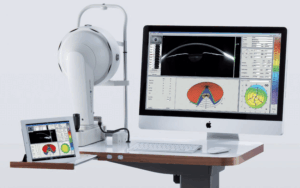
- What it does: Combines imaging with laser delivery for pinpoint accuracy.
- Best for: Patients needing precise treatment around the macula.
- Benefit: Shorter treatment times and greater patient comfort.
What to Expect During Treatment
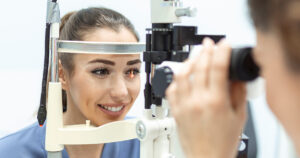
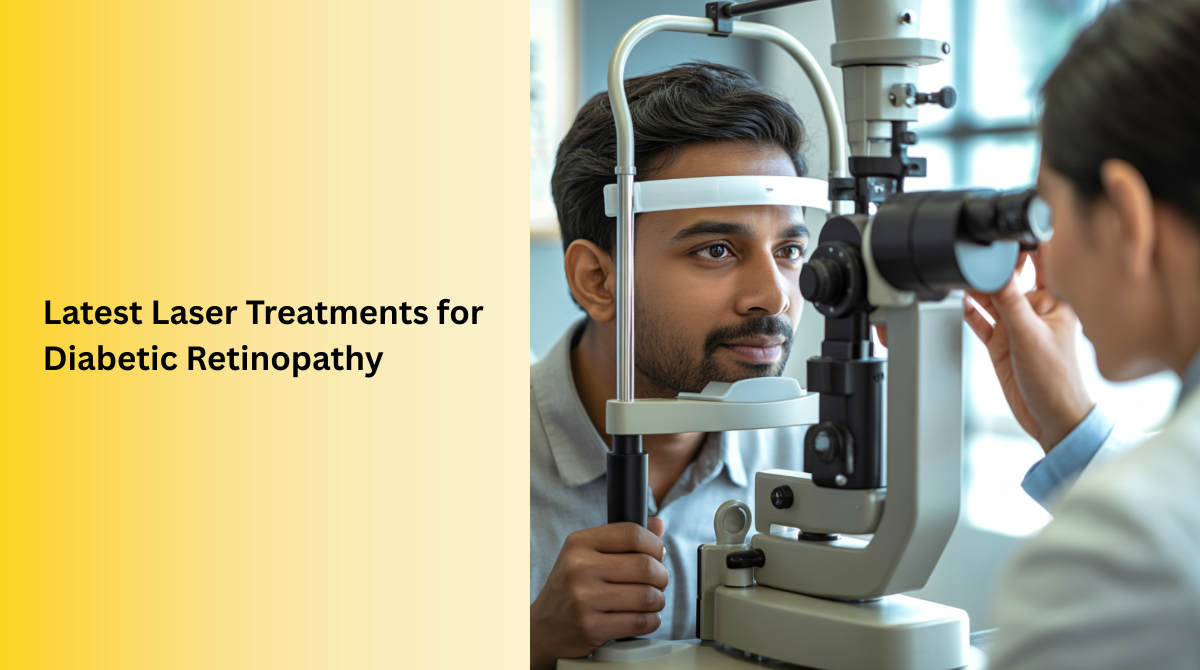
Typically, laser therapy is performed as an outpatient procedure:
- The eye is numbed with anesthetic drops.
- A special lens helps focus the laser on the retina.
- Most patients feel only mild discomfort or see flashes of light during the procedure.
- In a day or two, normal activities can typically be resumed.
Are Lasers a Cure?
Laser therapy doesn’t cure diabetic retinopathy, but it plays a vital role in slowing progression and preserving sight. In many cases, it is used alongside:
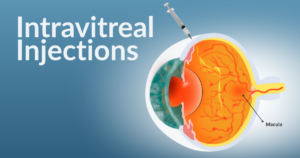
- Intravitreal injections (anti-VEGF drugs to stop abnormal vessel growth).
- Vitrectomy surgery for advanced stages.
- Strict diabetes management to control blood sugar.
Advanced Retinal Care in Mumbai
At Tandon Eye Hospital, Mumbai, modern retinal laser treatments are performed by specialists like Dr. Rashi Tandon, Retina Specialist. With advanced technology and personalized care, patients receive the most effective solutions to protect vision and prevent long-term complications from diabetes.
Final Thoughts
Diabetic retinopathy remains one of the leading causes of blindness, but thanks to the latest laser technologies, vision can be preserved and quality of life maintained.
If you live with diabetes, don’t wait for symptoms—schedule regular eye check-ups. And if your doctor recommends laser treatment, know that it’s a safe, proven way to safeguard your sight.
With expert care from trusted centers like Tandon Eye Hospital, your vision is in safe hands.