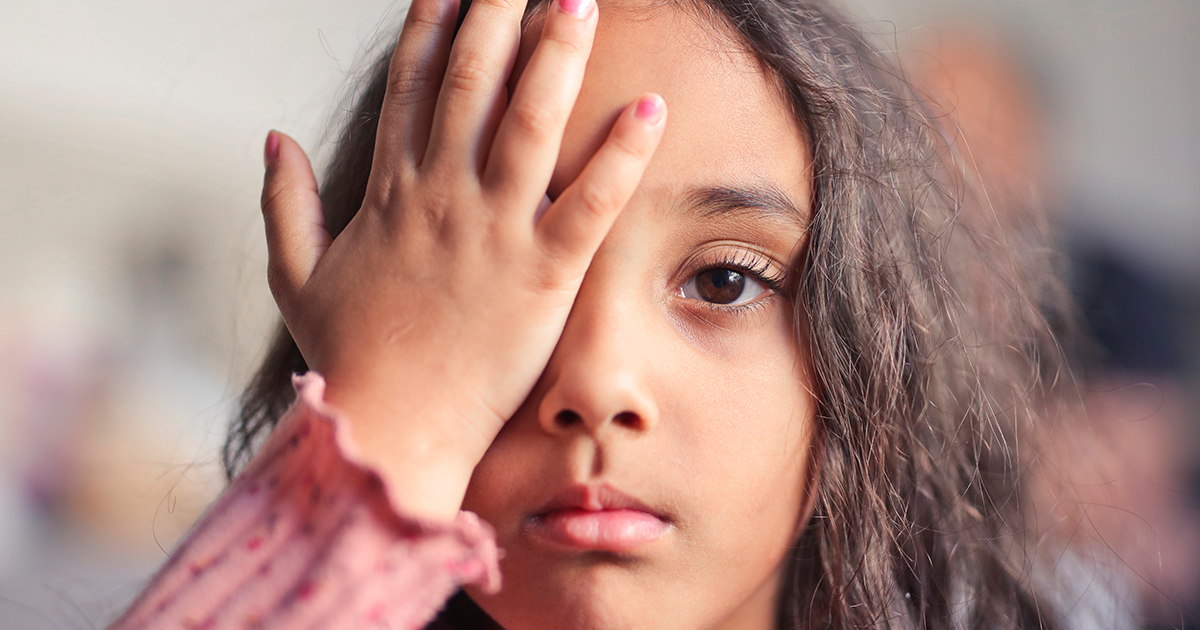
Children do not always know how to explain vision problems. Many assume what they see is normal. That’s why eye issues in kids can sometimes go unnoticed until they start affecting school performance or daily activities.
Early detection makes a big difference. With timely treatment, most childhood eye problems can be managed effectively, and in many cases, vision can be improved.
Let’s look at some of the most common eye problems in children and the signs parents should watch for.
1. Refractive Errors (Need for Glasses)
Refractive errors are the most common eye problem in children. These include:
- Myopia (nearsightedness) – difficulty seeing distant objects clearly
- Hyperopia (farsightedness) – difficulty focusing on nearby objects
- Astigmatism – blurred or distorted vision at any distance
Signs to Watch For
- Squinting while reading or watching TV
- Sitting very close to the television
- Frequent headaches
- Rubbing eyes often
- Complaints of blurred vision
A simple eye test can detect refractive errors, and glasses usually correct the problem effectively.
2. Lazy Eye (Amblyopia)
Amblyopia, commonly called lazy eye, happens when one eye does not develop normal vision. The brain starts relying more on the stronger eye.
If not treated early, it can lead to permanent vision reduction in the weaker eye.
Signs to Watch For
- One eye wandering inward or outward
- Poor depth perception
- Tilting the head to see clearly
- Difficulty with reading
Treatment may include glasses, patching the stronger eye, or other therapies depending on the cause. Early treatment, especially before the age of 7–8 years, gives better results.
3. Squint (Strabismus)
Strabismus is a condition where the eyes are not aligned properly. One eye may look straight while the other turns inward, outward, upward, or downward.
Signs to Watch For
- Eyes not moving together
- Frequent blinking
- Closing one eye in bright sunlight
- Head tilting
Treatment depends on the cause and may include glasses, exercises, or sometimes surgery.
4. Allergic Conjunctivitis
Eye allergies are common in children, especially in cities with pollution or seasonal changes.
Signs to Watch For
- Redness
- Itching
- Watering
- Swelling of eyelids
Avoiding triggers and using prescribed eye drops usually controls symptoms. It is important not to self-medicate without proper advice.
5. Blocked Tear Duct (in Infants)
Some newborns have blocked tear ducts, causing continuous watering or sticky discharge.
In many cases, this improves on its own within the first year. If it persists, minor procedures may be needed.
Why Regular Eye Check-Ups Are Important
Children may not always complain about vision problems. Poor vision can affect learning, attention, and confidence.
It is generally recommended that:
- Newborns have basic eye screening
- Preschool children undergo vision testing
- School-going children have regular eye check-ups, especially if there are complaints
Children with a family history of eye problems may require closer monitoring.
When Should Parents Consult an Eye Specialist?
Seek medical advice if you notice:
- Constant eye rubbing
- Frequent headaches
- Eye misalignment
- Difficulty reading or concentrating
- Excessive watering or redness
- Sudden vision complaints
Early consultation helps avoid long-term complications.
Pediatric Eye Care at Tandon Eye Hospital
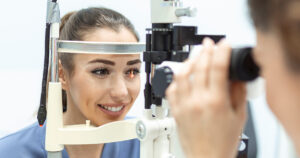
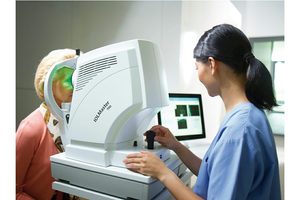
At Tandon Eye Hospital, children’s eye care is handled with patience and proper evaluation. The hospital offers comprehensive eye examinations designed for different age groups. The focus is on early detection, accurate diagnosis, and child-friendly treatment approaches.
Final Thoughts
Most childhood eye problems are manageable when detected early. Parents play an important role in observing small changes and encouraging regular eye check-ups.
Clear vision supports a child’s learning, confidence, and overall development. If you notice any unusual signs, a timely eye examination can provide clarity and peace of mind.