Intravitreal Anti-VEGF Therapy: A Modern Treatment for Retinal Diseases
Protecting Vision with Advanced Retinal Treatment
Intravitreal Anti-VEGF therapy is one of the most important advances in modern ophthalmology. It has transformed the treatment of several retinal diseases that can cause vision loss, including diabetic eye disease, age-related macular degeneration, and retinal vein occlusions.
At Tandon Eye Hospital, Andheri West, Mumbai, intravitreal injections are used as part of comprehensive retinal care to help control disease activity and preserve vision.
What Is Anti-VEGF Therapy?
VEGF stands for Vascular Endothelial Growth Factor. VEGF is a naturally occurring protein that promotes the growth of blood vessels.
In certain retinal diseases, excessive VEGF can lead to:
- Leakage of fluid into the retina
- Swelling of the macula
- Abnormal blood vessel growth
- Retinal bleeding
- Progressive loss of vision
Anti-VEGF medicines work by blocking the effects of VEGF, helping reduce leakage and control abnormal blood vessel growth.
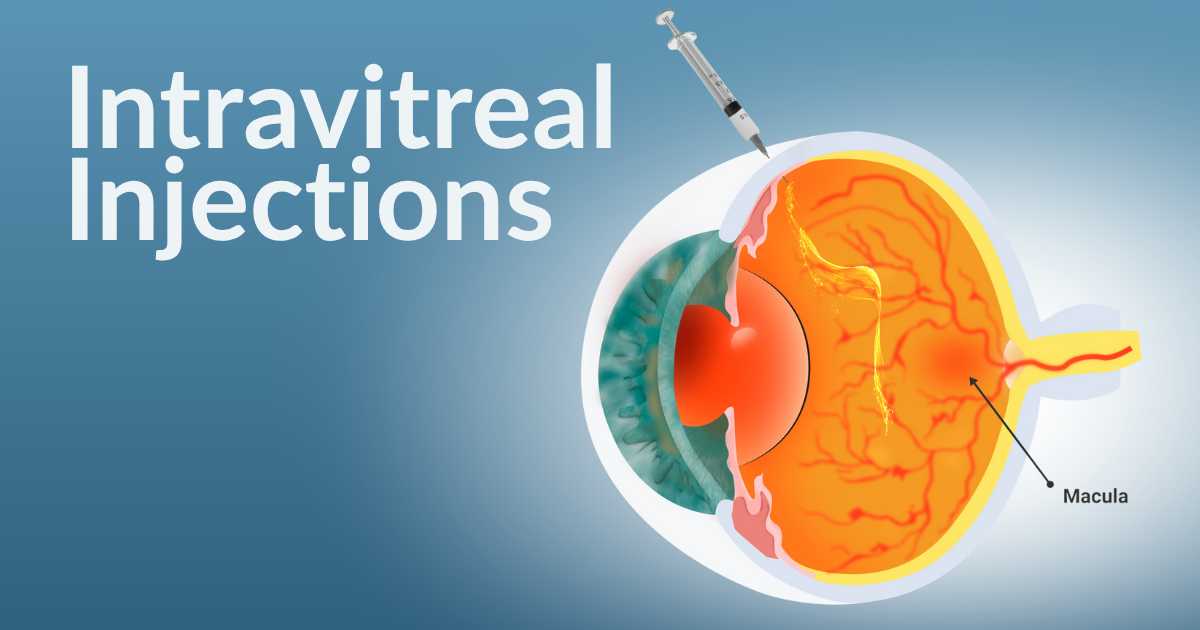
The medicine is administered directly into the eye through a procedure called an intravitreal injection.
Which Eye Conditions Can Be Treated?
Anti-VEGF therapy may be recommended for several retinal conditions, including:
Diabetic Macular Edema (DME)
Diabetes can cause leakage from retinal blood vessels, resulting in swelling of the macula—the part of the retina responsible for detailed central vision.
Diabetic Retinopathy
In some cases of proliferative diabetic retinopathy, abnormal blood vessels can develop and increase the risk of retinal bleeding and vision loss. Anti-VEGF therapy may be used as part of the treatment plan.
Age-Related Macular Degeneration (AMD)
Wet age-related macular degeneration can cause abnormal blood vessels to grow beneath the retina. Anti-VEGF injections can help control these vessels and preserve vision.
Retinal Vein Occlusion
Blockage of retinal veins can cause retinal swelling and macular edema. Anti-VEGF treatment can help reduce the swelling and improve visual outcomes.
Other Retinal Conditions
Your retina specialist may recommend Anti-VEGF therapy for other conditions involving abnormal blood vessels or retinal fluid.
How Is the Injection Given?
Intravitreal Anti-VEGF therapy is usually performed as a short outpatient procedure.
The eye is first prepared using antiseptic measures and anesthetic eye drops to maximize comfort. The medication is then carefully injected into the vitreous cavity of the eye.
The procedure itself usually takes only a few minutes.
Does the Injection Hurt?
Most patients experience minimal discomfort. Numbing drops or local anesthesia are used before the procedure.
Some patients may experience mild irritation, watering, redness, or a foreign-body sensation for a short period after the injection.
How Many Injections Are Required?
The number of injections varies from patient to patient and depends on:
- The underlying retinal disease
- Response to treatment
- OCT scan findings
- Presence of retinal fluid or swelling
- Disease activity
Some patients require multiple injections over time. Regular follow-up with retinal examinations and OCT scans is important to determine the need for further treatment.
Is Anti-VEGF Therapy Safe?
Intravitreal Anti-VEGF injections are widely used in ophthalmology and have helped preserve vision in millions of patients worldwide.
As with any medical procedure, there can be risks. Although uncommon, potential complications include:
- Infection inside the eye
- Increased eye pressure
- Retinal tear or detachment
- Bleeding
- Inflammation
Patients should contact their ophthalmologist immediately if they experience severe pain, increasing redness, significant reduction in vision, or worsening symptoms after an injection.
Why Regular Follow-Up Is Important
Retinal diseases often require long-term monitoring. Vision may improve after treatment, but regular follow-up remains essential.
OCT (Optical Coherence Tomography) helps doctors evaluate retinal swelling and fluid and assists in deciding whether additional treatment is required.
Early diagnosis and timely treatment can significantly improve the chances of preserving vision.
Advanced Retinal Care at Tandon Eye Hospital
At Tandon Eye Hospital, Andheri West, Mumbai, patients receive comprehensive evaluation for retinal diseases using modern diagnostic technology.
Our approach focuses on:
- Detailed retinal examination
- OCT imaging
- Personalized treatment planning
- Evidence-based retinal care
- Regular monitoring and follow-up
If you have diabetes, sudden reduction in vision, distorted vision, retinal bleeding, or have been diagnosed with a retinal condition, timely consultation with an eye specialist is important.
Book an Appointment
Early diagnosis and appropriate treatment can make a significant difference in protecting your eyesight.
Visit Tandon Eye Hospital in Andheri West, Mumbai, for comprehensive eye and retinal care.
Your vision deserves expert attention.