
Dry Eye Syndrome is a common eye condition that occurs when your eyes do not produce enough tears or when the tears evaporate too quickly. Tears play an essential role in keeping the eyes lubricated, comfortable, and free from infection. When the tear film becomes unstable, it can lead to irritation, discomfort, and blurred vision.
While dry eyes may seem like a minor problem, untreated symptoms can interfere with daily activities such as reading, driving, or using digital devices. Fortunately, with early diagnosis and appropriate treatment, most people can find lasting relief.
What Causes Dry Eye Syndrome?
Dry Eye Syndrome can develop for several reasons, and in many cases, more than one factor may be involved.
Ageing
As we age, tear production naturally decreases. Dry eyes are more common in people over the age of 50, especially in women after menopause.
Excessive Screen Time
Staring at computers, smartphones, or tablets for long periods reduces the frequency of blinking. This causes tears to evaporate more quickly, leading to dry and irritated eyes.
Environmental Factors
Exposure to air conditioning, fans, smoke, dust, pollution, or dry weather can increase tear evaporation and worsen dry eye symptoms.
Medical Conditions and Medications
Conditions such as diabetes, thyroid disorders, rheumatoid arthritis, and certain autoimmune diseases can affect tear production. Some medications, including antihistamines, antidepressants, and blood pressure medicines, may also contribute to dry eyes.
Contact Lens Use
Wearing contact lenses for extended periods may reduce tear stability and increase discomfort, particularly if the eyes are already dry.
Common Symptoms of Dry Eye Syndrome
Dry Eye Syndrome can affect one or both eyes, and symptoms may vary from person to person.
Some of the most common symptoms include:
- A burning, stinging, or scratchy sensation in the eyes.
- Redness and irritation.
- Feeling as though something is stuck in the eye.
- Blurred vision that improves with blinking.
- Watery eyes, as excessive tearing can occur in response to irritation.
- Eye fatigue, especially after reading or using digital devices.
- Increased sensitivity to light.
If these symptoms persist or become more frequent, it is important to consult an eye specialist for a proper evaluation.
How Is Dry Eye Syndrome Treated?
Treatment depends on the underlying cause and the severity of the condition.
Artificial Tears
Lubricating eye drops are often the first line of treatment. They help restore moisture to the surface of the eye and provide relief from dryness and irritation.
Lifestyle Changes
Simple daily habits can significantly improve symptoms. These include taking regular breaks from digital screens, blinking more frequently, staying well hydrated, and using a humidifier in dry indoor environments.
Managing Underlying Conditions
If dry eyes are linked to a medical condition or medication, your ophthalmologist may work with your physician to manage the underlying cause while recommending appropriate eye treatments.
Prescription Treatments
For moderate to severe dry eyes, prescription eye drops or other advanced therapies may be recommended to reduce inflammation and improve tear production.
Regular Eye Check-ups
Persistent dry eye symptoms should not be ignored. Regular eye examinations help identify the cause of the problem and ensure you receive the most appropriate treatment before complications develop.
Dry Eye Care at Tandon Eye Hospital
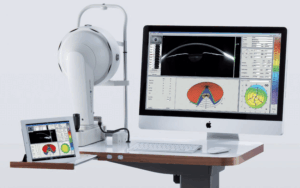
At Tandon Eye Hospital, patients experiencing dry eye symptoms undergo a comprehensive eye evaluation to determine the underlying cause of their condition. Using advanced diagnostic techniques, our ophthalmologists recommend personalised treatment plans that help improve comfort, restore tear balance, and support long-term eye health.
Final Thoughts
Dry Eye Syndrome is a common but manageable condition that can affect your comfort, productivity, and quality of life. Early diagnosis and the right treatment can provide significant relief and help prevent long-term damage to the surface of the eye.
If you frequently experience burning, irritation, blurred vision, or watery eyes, don’t ignore the symptoms. A comprehensive eye examination can help identify the cause and ensure you receive the care needed to keep your eyes healthy and comfortable.